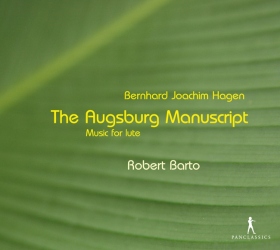
Joachim Bernhard Hagen
Sonata for lute in B-flat major
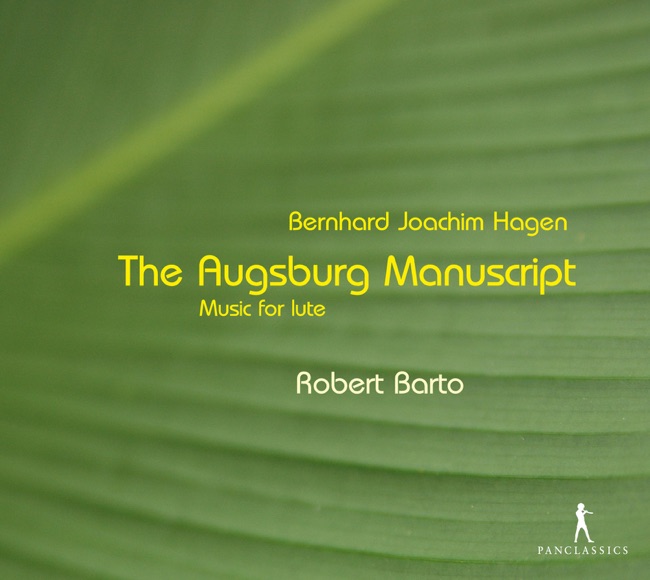
Released Album
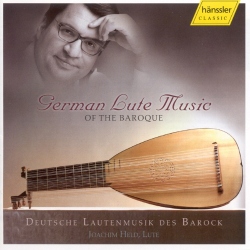
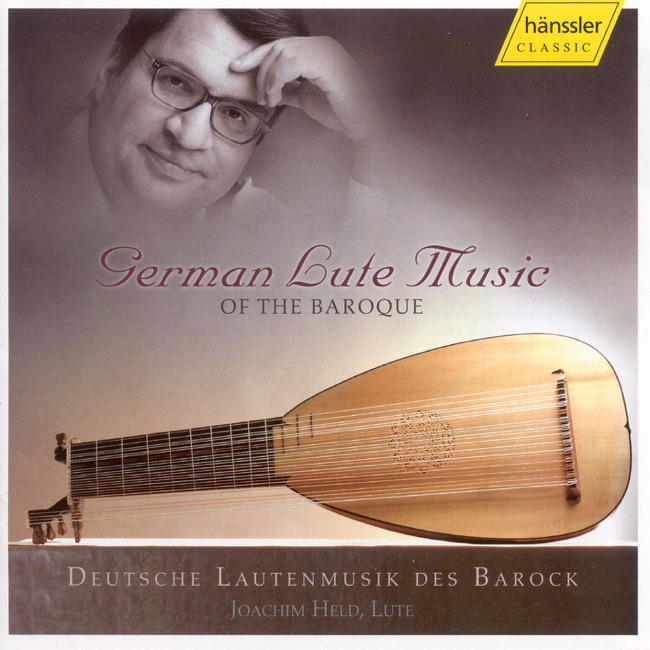
Recent Album
Works Info
Composer:Joachim Bernhard HagenStyle:SonataAverage_duration:12:35Movement_count:3Movement ....The Sonata for lute in B-flat major was composed by Joachim Bernhard Hagen, a German composer and lutenist, in the early 18th century. The exact date of composition is unknown, but it is believed to have been written around 1710-1720. The sonata consists of four movements: Prelude, Allemande, Sarabande, and Gigue. The Prelude is a lively and virtuosic piece that showcases the lute's ability to produce rapid arpeggios and intricate fingerwork. The Allemande is a more subdued and introspective movement, characterized by its flowing melodic lines and intricate counterpoint. The Sarabande is a slow and stately dance, with a mournful and melancholic character. The final movement, the Gigue, is a lively and energetic dance that brings the sonata to a rousing conclusion. The Sonata for lute in B-flat major is a prime example of the Baroque style, with its emphasis on ornamentation, counterpoint, and virtuosity. The piece is notable for its intricate fingerwork and complex harmonies, as well as its use of the lute's unique timbre and resonance. Hagen's skillful use of the lute's various registers and techniques creates a rich and varied sound that is both expressive and technically demanding. The Sonata for lute in B-flat major was likely composed for performance in the court of a noble patron, where it would have been played by a skilled lutenist for the entertainment of the court. Today, the piece remains a popular and challenging work for lutenists and guitarists alike, and is considered a valuable contribution to the repertoire of Baroque music.More....
Works Music
Released Music