Claudio Monteverdi
Tempro la cetra (from Book 7), SV 117
Released Album
Recent Album
Featured Album
Works Info
Composer:Claudio MonteverdiGenre:VocalStyle:MadrigalCompose Date:ca. 1619Average_duration:8:55"Tempro la cetra" is a vocal work composed by Claudio Monteverdi, which was included in his seventh book of madrigals. The work was premiered in 1619 and is considered one of Monteverdi's most significant compositions. It is a collection of six madrigals, each with its own unique character and style. The first movement, "Tempro la cetra," is a lively and energetic piece that showcases Monteverdi's skill in writing for multiple voices. The piece is characterized by its use of syncopation and rhythmic complexity, which creates a sense of excitement and urgency. The lyrics of the piece are a celebration of music and its ability to bring joy and happiness to people's lives. The second movement, "Non son in queste rive," is a more subdued and introspective piece. It features a solo voice accompanied by a lute, and the lyrics describe the speaker's longing for a lost love. The music is characterized by its use of dissonance and chromaticism, which creates a sense of melancholy and yearning. The third movement, "Ohimè, dov'è il mio ben," is a passionate and emotional piece that features a solo voice accompanied by a string ensemble. The lyrics describe the speaker's despair at the loss of their beloved, and the music is characterized by its use of dramatic contrasts and intense emotions. The fourth movement, "Lamento della ninfa," is one of Monteverdi's most famous compositions. It is a solo vocal piece that tells the story of a nymph who has been abandoned by her lover. The music is characterized by its use of a ground bass, which repeats throughout the piece and creates a sense of continuity and stability. The lyrics are full of sorrow and despair, and the music is haunting and beautiful. The fifth movement, "Amor, che deggio far," is a lively and playful piece that features multiple voices and instruments. The lyrics describe the speaker's confusion and frustration with love, and the music is characterized by its use of playful rhythms and harmonies. The final movement, "Dolcissimo uscignolo," is a beautiful and delicate piece that features a solo voice accompanied by a lute. The lyrics describe the beauty of nature and the joy that it brings to people's lives. The music is characterized by its use of gentle melodies and harmonies, which create a sense of peace and tranquility. Overall, "Tempro la cetra" is a masterful work that showcases Monteverdi's skill in writing for multiple voices and instruments. The collection of madrigals is full of emotion and drama, and the music is characterized by its use of complex rhythms, harmonies, and textures. It is a testament to Monteverdi's status as one of the greatest composers of the Baroque era.More....
Works Music
Released Music
4
10:34
5
10:35
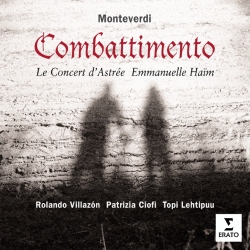
9
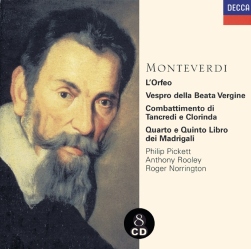
8:53
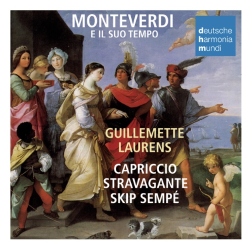
Featured Music