Erwin Schulhoff
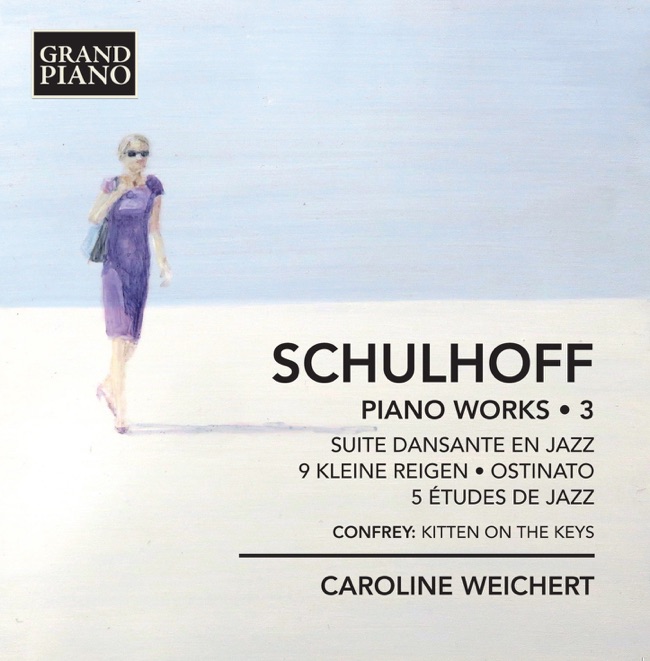
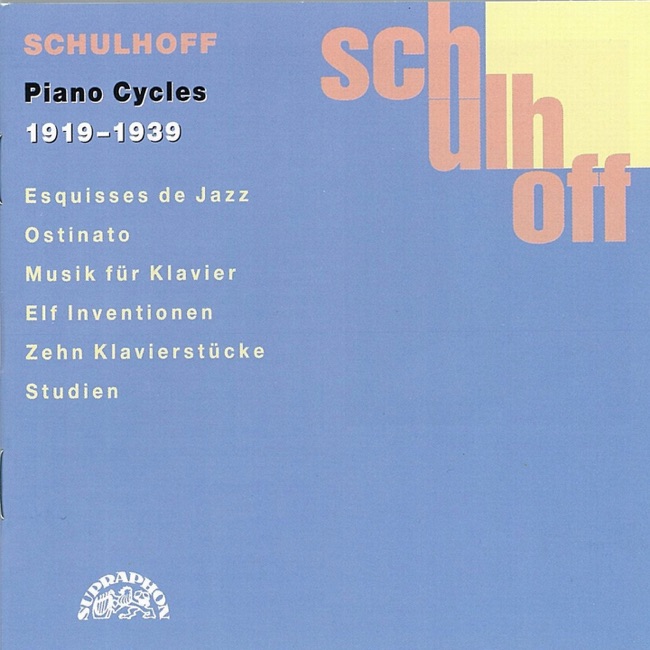
Ostinato for piano
Released Album
Recent Album

Works Info
Composer:Erwin SchulhoffGenre:KeyboardStyle:KeyboardCompose Date:1923Average_duration:6:55Movement_count:6Movement ....Erwin Schulhoff's Ostinato for piano is a solo piano piece that was composed in 1923. The piece premiered in Prague in the same year. The composition is divided into three movements, each with its own unique characteristics. The first movement of Ostinato for piano is marked "Allegro moderato" and is characterized by a driving, rhythmic ostinato pattern in the left hand. The right hand plays a melody that is at times dissonant and angular, but also contains moments of lyricism. The movement builds in intensity, with the ostinato pattern becoming more complex and the melody becoming more frenzied. The movement ends abruptly, with a final chord that is both dissonant and unresolved. The second movement of Ostinato for piano is marked "Andante con moto" and is a stark contrast to the first movement. The mood is more introspective and melancholic, with a slower tempo and a more lyrical melody. The left hand still plays an ostinato pattern, but it is more subdued and serves as a gentle accompaniment to the melody. The movement is characterized by a sense of longing and nostalgia, with the melody often reaching for high notes before descending back down to earth. The third and final movement of Ostinato for piano is marked "Allegro con brio" and is the most virtuosic of the three. The left hand once again plays an ostinato pattern, but this time it is more complex and syncopated. The right hand plays a melody that is fast and furious, with rapid runs and arpeggios. The movement is characterized by a sense of energy and excitement, with the melody and ostinato pattern intertwining and building to a frenzied climax. The piece ends with a final flourish, with the right hand playing a rapid ascending scale and the left hand playing a final chord. Overall, Ostinato for piano is a challenging and complex piece that showcases Schulhoff's mastery of rhythm and melody. The use of an ostinato pattern throughout the piece gives it a sense of unity and coherence, while the different moods and tempos of each movement provide contrast and variety. The piece is a testament to Schulhoff's innovative approach to composition and his ability to push the boundaries of traditional classical music.More....