


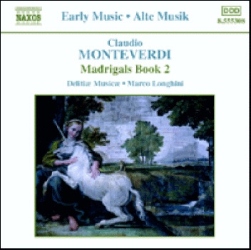
Claudio Monteverdi
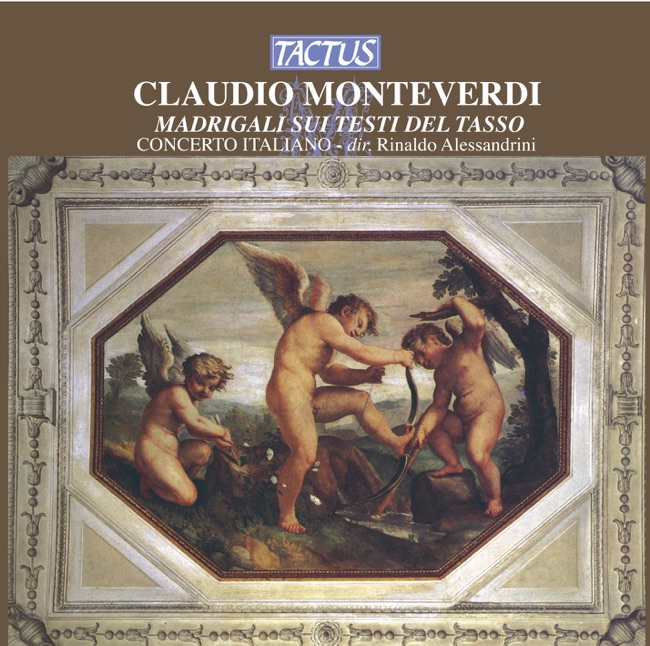
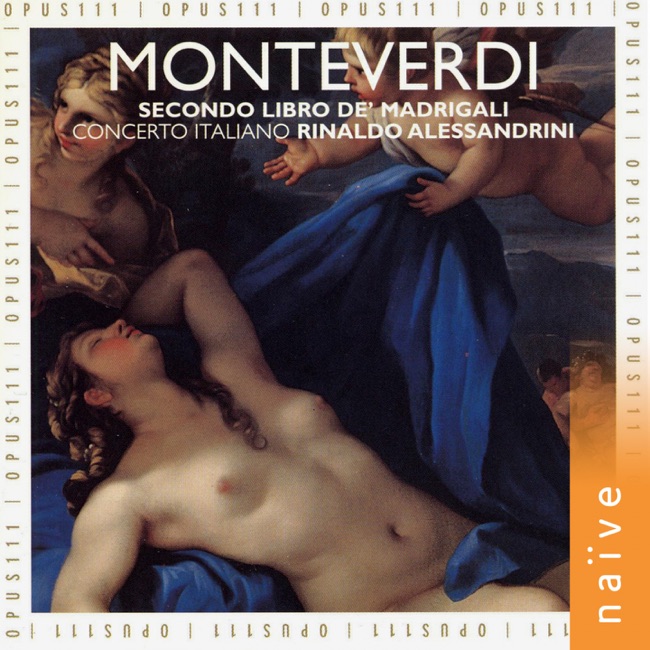
Dolcissimi legami di parole amorose (from Book 2), SV 42
Released Album
Recent Album
Works Info
Composer:Claudio MonteverdiGenre:ChoralStyle:MadrigalCompose Date:ca. 1590Average_duration:2:57"Dolcissimi legami di parole amorose" is a vocal duet composed by Claudio Monteverdi, which is part of his second book of madrigals. The piece was composed in the early 17th century and premiered in Venice, Italy. The duet is written for two sopranos and is one of Monteverdi's most famous works. The piece is divided into three movements, each with its own distinct character. The first movement is marked "Allegro," and it is a lively and joyful expression of love. The second movement is marked "Adagio," and it is a more introspective and melancholic expression of love. The final movement is marked "Allegro," and it is a return to the joyful and exuberant expression of love. The duet is characterized by its use of word painting, which is a technique where the music reflects the meaning of the text. For example, in the first movement, the singers use rapid, staccato notes to represent the "fluttering" of the heart. In the second movement, the singers use long, sustained notes to represent the "sighs" of the lover. The duet also features a number of musical devices that were popular in the Baroque era, such as chromaticism, dissonance, and ornamentation. These devices add to the emotional intensity of the piece and help to convey the complex emotions of love. Overall, "Dolcissimi legami di parole amorose" is a beautiful and expressive duet that showcases Monteverdi's mastery of vocal music. Its use of word painting and Baroque musical devices make it a timeless masterpiece that continues to be performed and enjoyed by audiences today.More....
Works Music
Released Music
2
3:6
3

3:12