Samuel Sebastian Wesley
O sing unto mie roundelaie
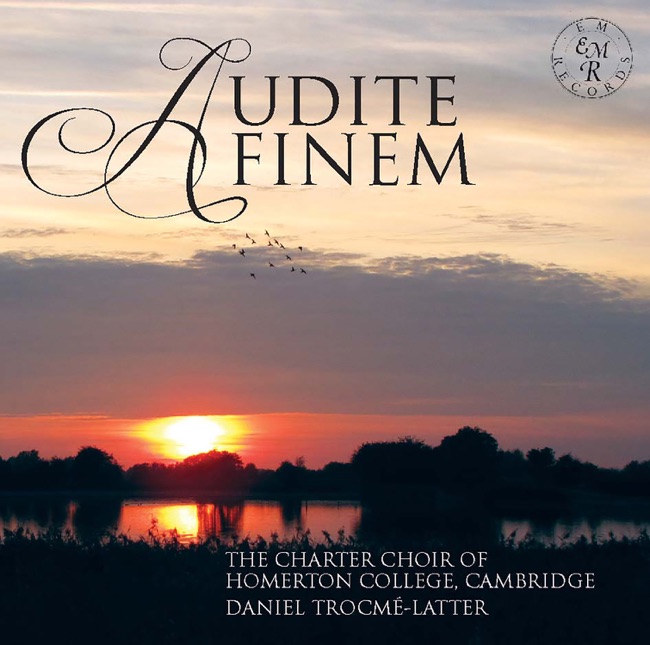
Released Album
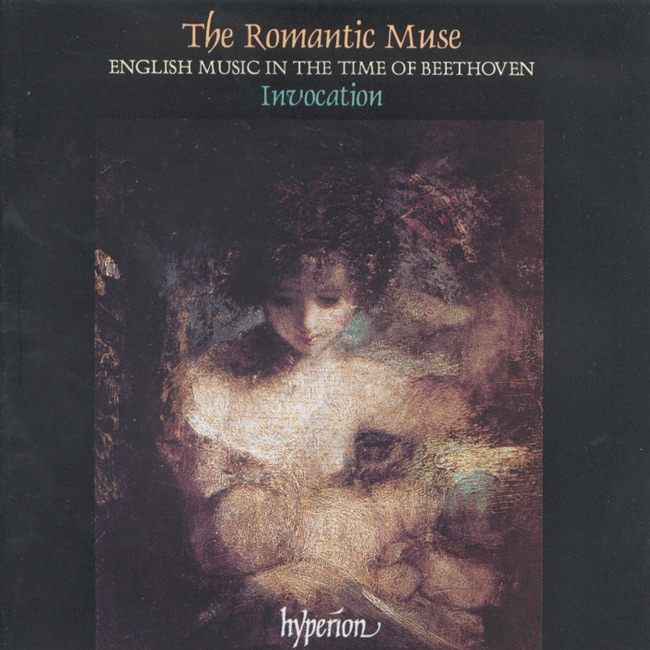
Recent Album

Works Info
Composer:Samuel Sebastian WesleyGenre:MiscellaneousStyle:MiscellaneousAverage_duration:3:36"O sing unto mie roundelaie" is a choral work composed by Samuel Sebastian Wesley, an English composer and organist, in the 19th century. The piece was composed in 1844 and premiered in the same year. It is a part of Wesley's collection of choral works, which are known for their intricate harmonies and use of counterpoint. The piece is written in four movements, each with its own unique characteristics. The first movement is marked "Allegro con fuoco" and is characterized by its lively tempo and energetic rhythms. The second movement, marked "Andante con moto," is more subdued and features a beautiful melody sung by the choir. The third movement, marked "Allegro vivace," is a lively and playful scherzo that showcases Wesley's skillful use of counterpoint. The final movement, marked "Allegro ma non troppo," is a triumphant finale that brings the piece to a rousing conclusion. One of the most notable characteristics of "O sing unto mie roundelaie" is its use of complex harmonies and counterpoint. Wesley was known for his skillful use of these techniques, and they are on full display in this piece. The choir is divided into multiple parts, each singing their own unique melody that weaves together to create a rich and intricate tapestry of sound. Another characteristic of the piece is its use of dynamic contrasts. Wesley employs sudden shifts in volume throughout the piece, from the quiet and contemplative moments in the second movement to the explosive energy of the first and fourth movements. Overall, "O sing unto mie roundelaie" is a stunning example of Samuel Sebastian Wesley's skill as a composer. Its intricate harmonies, use of counterpoint, and dynamic contrasts make it a challenging and rewarding piece for any choir to perform.More....