


Pauline Viardot
Plainte d'amour, arranged from Chopin's Mazurka in F sharp minor Op.6/1
Released Album
Recent Album
Works Info
Composer:Pauline ViardotGenre:VocalStyle:Vocal MusicAverage_duration:3:30'Plainte d'amour' is a vocal piece arranged by Pauline Viardot from Chopin's Mazurka in F sharp minor Op.6/1. Viardot, a French mezzo-soprano, composer, and teacher, was born in 1821 and died in 1910. She was a prominent figure in the music world of the 19th century, known for her vocal performances and compositions. Viardot composed 'Plainte d'amour' in 1860, and it premiered in Paris the same year. The piece is a setting of a French text by Louis Pomey, which tells the story of a lover's lament. The music is in the key of F sharp minor, and it is written for voice and piano. 'Plainte d'amour' consists of three movements. The first movement is marked 'Lento,' and it begins with a mournful piano introduction that sets the mood for the piece. The vocal line enters with the first verse of the text, which is sung in a lyrical and expressive manner. The melody is characterized by its long, flowing phrases and its use of chromaticism, which adds to the melancholic mood of the piece. The second movement is marked 'Allegro,' and it is a more lively and rhythmic section of the piece. The piano accompaniment is characterized by its use of syncopation and its driving rhythm, which creates a sense of urgency and passion. The vocal line is also more energetic in this section, with the singer using a more declamatory style of singing to convey the intensity of the lover's emotions. The final movement is marked 'Lento,' and it returns to the mournful mood of the opening section. The vocal line is characterized by its use of melisma, which adds to the expressive quality of the music. The piano accompaniment is also more subdued in this section, with the use of arpeggios and broken chords creating a sense of longing and sadness. Overall, 'Plainte d'amour' is a beautiful and expressive piece of music that showcases Viardot's skill as a composer and her ability to create music that is both lyrical and emotional. The piece is a testament to the enduring legacy of Chopin's music and the influence that it had on the composers of the 19th century.More....
Works Music
Released Music
1
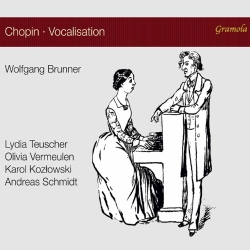
Plainte d'amour, arranged from Chopin's Mazurka in F sharp minor Op.6/1
Plainte d'Amour VWV 4024 (Song after Chopin's Mazurka No. 1, Op. 6/1)
3:12
2
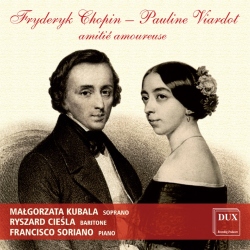
Plainte d'amour, arranged from Chopin's Mazurka in F sharp minor Op.6/1
Plainte d'amour (Op. 6 No. 1)
3:8
3
3:31
4
3:21