Christopher Tye
In pace in idipsum
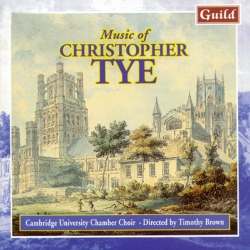
Released Album
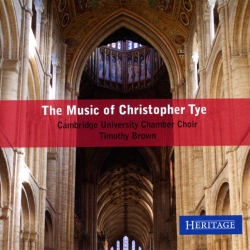
Recent Album
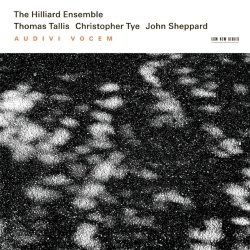
Featured Album
Works Info
Composer:Christopher TyeGenre:MiscellaneousStyle:MiscellaneousAverage_duration:5:18Christopher Tye was an English composer and organist who lived during the Renaissance period. He was born in the early 16th century and died in the mid-1570s. Tye was a prominent figure in the English church music scene during his time, and his works were highly regarded by his contemporaries. One of Tye's most famous compositions is "In pace in idipsum," which is a setting of the Latin text from Psalm 4. The piece is scored for four voices (SATB) and is written in a polyphonic style. It is believed to have been composed in the mid-16th century, during Tye's tenure as a musician at Ely Cathedral. The premiere of "In pace in idipsum" is not known, but it is likely that it was first performed at Ely Cathedral or another church where Tye was employed. The piece was likely performed during church services, as it was common for composers of the time to write music for use in religious settings. The piece is divided into three movements, each of which is based on a different section of the Psalm 4 text. The first movement is a setting of the opening verses of the Psalm, which express the speaker's plea for God's help and protection. The second movement is a setting of the middle section of the Psalm, which expresses the speaker's confidence in God's protection and guidance. The final movement is a setting of the closing verses of the Psalm, which express the speaker's gratitude for God's help and protection. The characteristics of "In pace in idipsum" reflect the polyphonic style of Renaissance music. The piece features intricate vocal lines that weave together to create a rich, complex texture. The harmonies are often dissonant, but resolve in satisfying ways. The piece also features frequent use of imitation, where one voice echoes the melody of another voice. This creates a sense of unity and coherence throughout the piece. Overall, "In pace in idipsum" is a beautiful example of Renaissance church music. Its intricate vocal lines and rich harmonies make it a joy to listen to, and its religious text adds a sense of depth and meaning to the piece.More....
Works Music
Released Music
Featured Music