


Anonymous
Carmina Burana
Released Album
Recent Album

Works Info
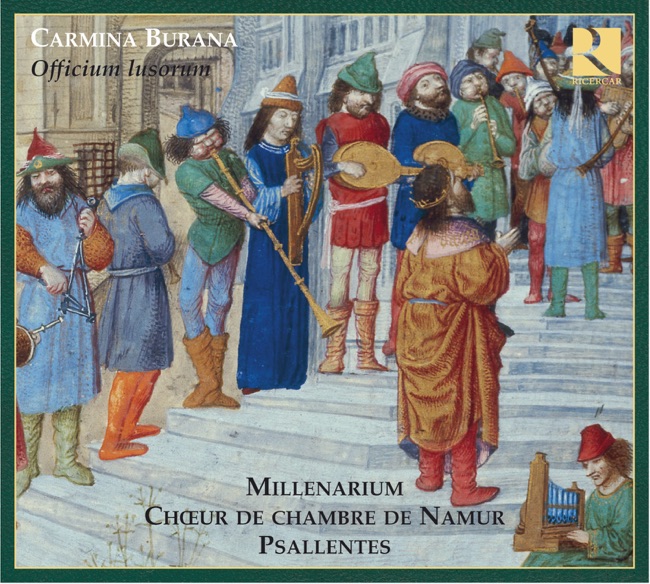
Composer:AnonymousGenre:MiscellaneousStyle:MiscellaneousCarmina Burana is a collection of medieval poems that were discovered in a Bavarian monastery in the early 19th century. The poems were written in Latin, Middle High German, and Old French, and they cover a wide range of topics, including love, drinking, and the fickleness of fortune. The collection was compiled in the 13th century, and it is believed that the poems were written by students and clergy members who were seeking to express their frustrations with the strict religious and social norms of the time. The musical composition known as Carmina Burana was created by the German composer Carl Orff in the early 1930s. Orff was inspired by the raw energy and earthy humor of the medieval poems, and he set them to music in a way that emphasized their rhythmic and melodic qualities. The composition is scored for a large orchestra, a choir, and three soloists, and it is divided into three sections, or movements. The first movement of Carmina Burana is titled "Fortuna Imperatrix Mundi" (Fortune, Empress of the World), and it features some of the most famous pieces from the composition, including "O Fortuna," which has become a popular piece of classical music in its own right. The movement is characterized by its driving rhythms and powerful choral passages, which convey the idea of the capriciousness of fate. The second movement of Carmina Burana is titled "Primo Vere" (Springtime), and it is a celebration of the joys of spring and the pleasures of love. The movement features a number of solo pieces, including a hauntingly beautiful soprano aria titled "In Trutina," which expresses the conflicting emotions of a young woman torn between her love for a man and her desire for purity. The third and final movement of Carmina Burana is titled "In Taberna" (In the Tavern), and it is a raucous celebration of drinking, gambling, and other earthly pleasures. The movement features a number of lively and humorous pieces, including a tenor aria titled "Dies, nox et omnia" (Day, night, and everything), which describes the joys of drunken revelry. Carmina Burana premiered in Frankfurt, Germany, in 1937, and it was an immediate success. The composition has since become one of the most popular and frequently performed works in the classical repertoire, and it is known for its powerful rhythms, lush harmonies, and evocative melodies.More....
Works Music
Released Music

Main Perform Artists
Soprano (Vocal)
Harp, Soprano Vocal
Bagpipes
Tenor Vocal