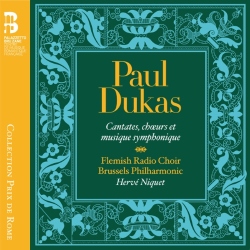
Paul Dukas
Vélléda
Released Album
Recent Album
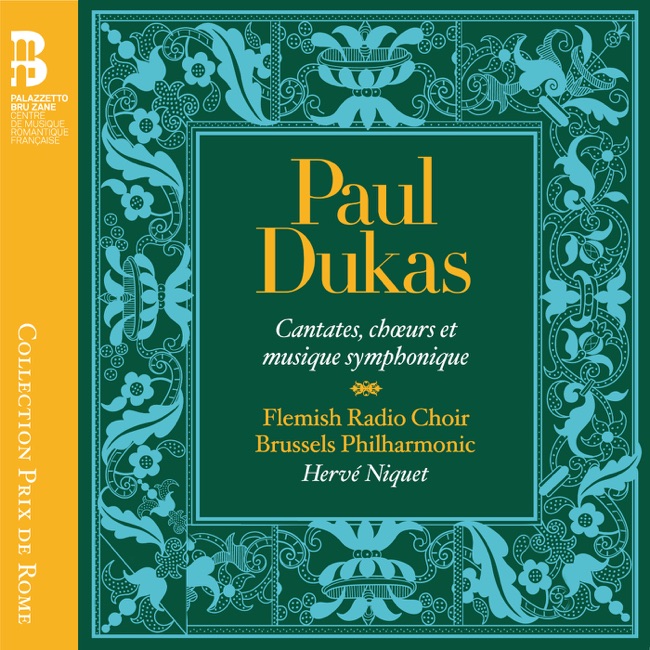
Works Info
Composer:Paul DukasGenre:ChoralCompose Date:1888Average_duration:30:23Paul Dukas' "Vélléda" is a symphonic poem that was composed in 1901. It premiered on January 31, 1904, at the Salle Pleyel in Paris, conducted by the composer himself. The piece is divided into three movements and is approximately 20 minutes in length. The first movement, "Vélléda's Vision," begins with a mysterious and haunting melody played by the strings. This melody is then taken up by the woodwinds and brass, creating a sense of tension and anticipation. The music builds to a climax, and then suddenly drops off, as if Vélléda has had a vision. The movement ends with a quiet and introspective section, as if Vélléda is reflecting on what she has seen. The second movement, "The Druids' Dance," is a lively and energetic dance that features the full orchestra. The music is rhythmic and syncopated, with a strong emphasis on the percussion. The dance builds to a frenzied climax, and then suddenly stops, as if the dancers have disappeared into the night. The final movement, "The Triumph of Vélléda," begins with a majestic fanfare played by the brass. This is followed by a triumphant melody played by the strings, which is then taken up by the full orchestra. The music builds to a grand climax, as if Vélléda has achieved her victory. The piece ends with a quiet and reflective coda, as if Vélléda is contemplating her triumph. Overall, "Vélléda" is a powerful and evocative piece of music that showcases Dukas' skill as a composer. The music is full of drama and emotion, and the orchestration is masterful. The piece is a testament to Dukas' ability to create vivid musical landscapes that transport the listener to another time and place.More....
Works Music
Released Music