Codex Calixtinus Anonymous
Nostra phalanx plaudat leta
Released Album
Recent Album
Featured Album
Works Info
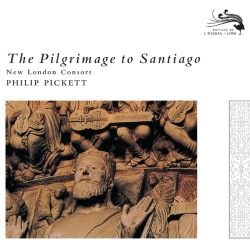
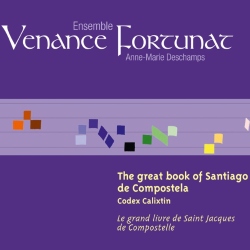
Composer:Codex Calixtinus AnonymousGenre:VocalStyle:Vocal MusicAverage_duration:2:53Nostra phalanx plaudat leta is a medieval composition that is part of the Codex Calixtinus, an important manuscript from the 12th century. The Codex Calixtinus is a collection of texts related to the pilgrimage to Santiago de Compostela, including liturgical music, sermons, and historical accounts. Nostra phalanx plaudat leta is a hymn that celebrates the martyrdom of Saint James, the patron saint of Spain. The composition is believed to have been written in the 12th century, around the same time as the Codex Calixtinus itself. It was likely composed for use in the liturgy of the Cathedral of Santiago de Compostela, where Saint James is venerated. The hymn is written in Latin, the language of the Catholic Church at the time. Nostra phalanx plaudat leta is divided into three movements, each with its own distinct character. The first movement is a joyful celebration of Saint James and his martyrdom. The text praises James as a brave and faithful servant of God, who was willing to suffer and die for his faith. The music is lively and energetic, with a fast tempo and a bright melody. The second movement is more contemplative, reflecting on the meaning of James' martyrdom. The text asks why God allows his faithful servants to suffer and die, and suggests that it is a test of their faith and a way to purify their souls. The music is slower and more introspective, with a more complex melody and harmonies. The third movement returns to the joyful celebration of Saint James, but with a more triumphant tone. The text proclaims that James is now in heaven, where he is honored and praised by all the saints. The music is faster and more exuberant than the first movement, with a more complex and elaborate melody. Overall, Nostra phalanx plaudat leta is a powerful and moving hymn that celebrates the faith and martyrdom of Saint James. Its three movements reflect the different emotions and themes associated with James' story, from joy and celebration to contemplation and triumph. The hymn remains an important part of the liturgical music of the Catholic Church, and a testament to the enduring power of faith and devotion.More....
Works Music
Released Music
Featured Music