Jean de Sainte-Colombe
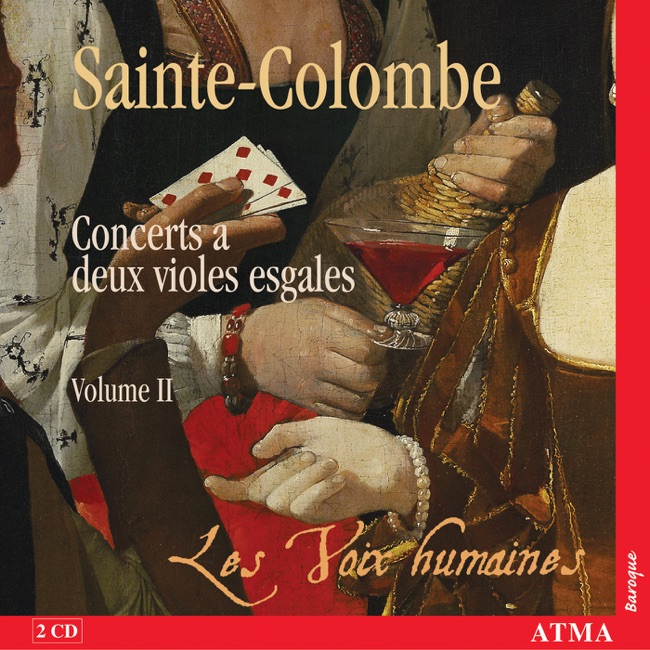
Concert for 2 equal bass viols No. 29 "L'eslevé"
Released Album
Recent Album
Works Info
Composer:Jean de Sainte-ColombeGenre:ChamberStyle:Chamber MusicAverage_duration:5:22Jean de Sainte-Colombe was a French composer and viol player who lived during the Baroque period. He is known for his contributions to the development of the viola da gamba, a stringed instrument that was popular during the 16th and 17th centuries. One of his most famous works is the Concert for 2 equal bass viols No. 29 L'eslevé. The Concert for 2 equal bass viols No. 29 L'eslevé was composed by Jean de Sainte-Colombe in the late 17th century. The exact date of composition is unknown, but it is believed to have been written sometime between 1680 and 1700. The piece was premiered in France, where Sainte-Colombe lived and worked. The Concert for 2 equal bass viols No. 29 L'eslevé consists of three movements: Prelude, Allemande, and Courante. The Prelude is a slow and contemplative piece that sets the mood for the rest of the work. The Allemande is a lively dance that features intricate rhythms and melodic lines. The Courante is a fast-paced dance that showcases the virtuosity of the performers. One of the characteristics of the Concert for 2 equal bass viols No. 29 L'eslevé is its use of equal bass viols. This was a relatively uncommon practice at the time, as most Baroque music was written for a solo instrument accompanied by a basso continuo. Sainte-Colombe's decision to write for two equal bass viols allowed for a unique and rich sound that was not often heard in Baroque music. Another characteristic of the Concert for 2 equal bass viols No. 29 L'eslevé is its use of ornamentation. Sainte-Colombe was known for his intricate and complex ornamentation, which added depth and complexity to his compositions. The Concert for 2 equal bass viols No. 29 L'eslevé is no exception, featuring a variety of trills, mordents, and other embellishments. Overall, the Concert for 2 equal bass viols No. 29 L'eslevé is a beautiful and complex work that showcases Sainte-Colombe's skill as a composer and viol player. Its use of equal bass viols and intricate ornamentation make it a unique and important piece in the Baroque repertoire.More....
Works Music