


Ludwig van Beethoven
Canon in 2 parts in F major, WoO 192 "Ars longa, vita brevis"
Released Album
Recent Album


Works Info
Composer:Ludwig van BeethovenGenre:VocalStyle:CanonCompose Date:1825Average_duration:0:23Ludwig van Beethoven's 'Canon in 2 parts in F major, WoO 192 Ars longa, vita brevis' was composed in 1817. It was not premiered during Beethoven's lifetime and was only published posthumously in 1825. The canon consists of two voices, each singing the same melody but starting at different times, creating a harmonious and intricate musical texture. The canon is divided into two movements, with the first movement being in F major and the second movement in B-flat major. The first movement is marked "Andante con moto" and has a gentle and flowing melody. The second movement is marked "Allegro vivace" and is more lively and energetic. The canon is characterized by its simplicity and elegance. Beethoven's use of two voices creates a sense of depth and complexity, despite the relatively simple melody. The canon also showcases Beethoven's mastery of counterpoint, as the two voices weave in and out of each other, creating a beautiful and intricate musical tapestry. The title of the canon, 'Ars longa, vita brevis', is a Latin phrase that translates to "Art is long, life is short". This phrase reflects the idea that art has the power to transcend time and mortality, and that the beauty of art can endure long after the artist has passed away. Overall, Beethoven's 'Canon in 2 parts in F major, WoO 192 Ars longa, vita brevis' is a beautiful and elegant piece of music that showcases the composer's mastery of counterpoint and his ability to create intricate and harmonious musical textures.More....
Works Music
Released Music
1
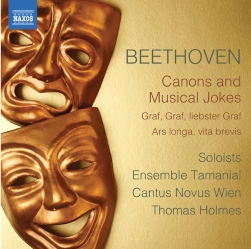
Canon in 2 parts in F major, WoO 192 "Ars longa, vita brevis"
Ars longa, vita brevis, WoO 192, Hess 268
42
2

25
3
22
4
25
5
25
6

25