Franz Liszt
Die Leiermann (after Schubert, D. 911/24a), S. 561/8
Released Album
Recent Album
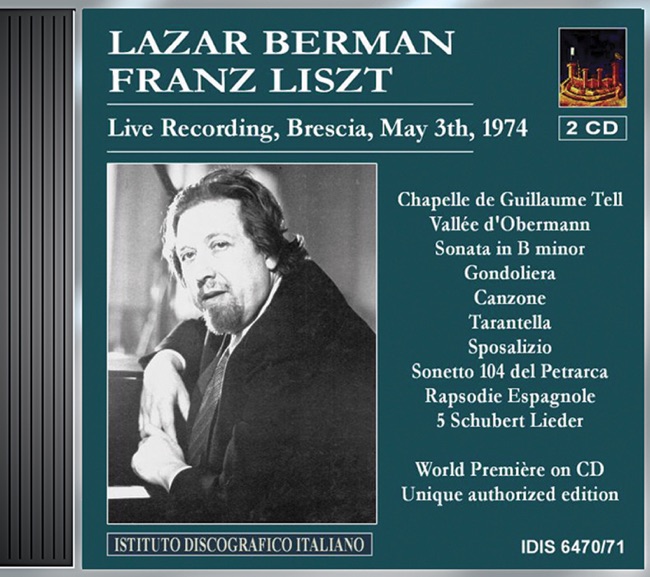
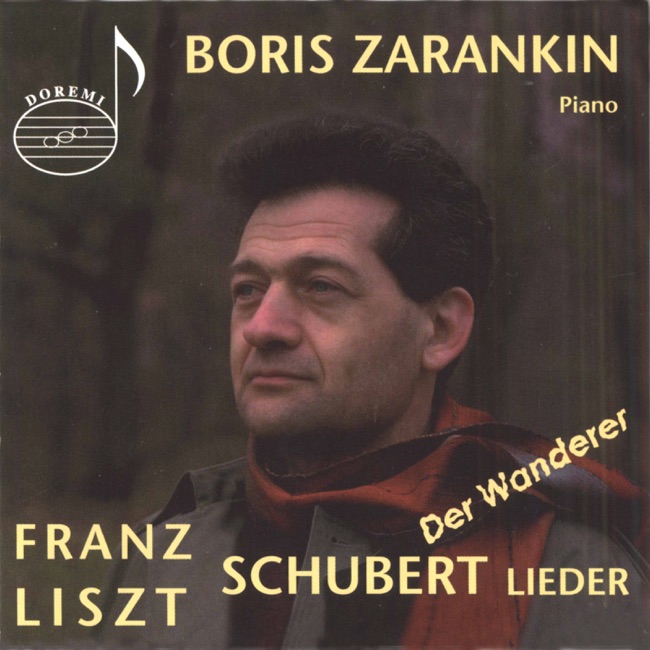
Works Info
Composer:Franz LisztGenre:KeyboardStyle:KeyboardCompose Date:1838 - 1839Publication Date:1840Average_duration:2:30Franz Liszt's "Die Leiermann (after Schubert, D. 911/24a), S. 561/8" is a piano transcription of the final song from Franz Schubert's song cycle "Winterreise." Liszt composed this transcription in 1862, and it was premiered in the same year. The piece is a part of Liszt's "Schubert Song Transcriptions," a collection of twelve transcriptions of Schubert's songs for solo piano. "Die Leiermann" is the final song of "Winterreise," a song cycle that tells the story of a wanderer's journey through a winter landscape. The song is a haunting and melancholic depiction of a hurdy-gurdy player, who is the only companion of the wanderer. Liszt's transcription of "Die Leiermann" is a faithful representation of Schubert's original song. The piece is in the key of B minor and is marked "Andante con moto." The transcription is divided into three sections, each of which corresponds to a stanza of the original song. The first section is marked "piano" and is played softly, with a delicate touch. The second section is marked "forte" and is played with more intensity and passion. The final section returns to the soft and delicate playing of the first section. Liszt's transcription of "Die Leiermann" is characterized by its use of arpeggios and tremolos, which create a sense of movement and urgency. The piece is also notable for its use of dissonance, which adds to the haunting and melancholic atmosphere of the song. The transcription is a testament to Liszt's skill as a pianist and his ability to capture the essence of Schubert's music in his own compositions. In conclusion, "Die Leiermann (after Schubert, D. 911/24a), S. 561/8" is a beautiful and haunting transcription of Schubert's final song from "Winterreise." Liszt's transcription is a faithful representation of the original song and is characterized by its use of arpeggios, tremolos, and dissonance. The piece is a testament to Liszt's skill as a pianist and his ability to capture the essence of Schubert's music in his own compositions.More....
Works Music
Released Music