Antonio de Cabezón
Otra pange lingua
Released Album
Recent Album
Works Info
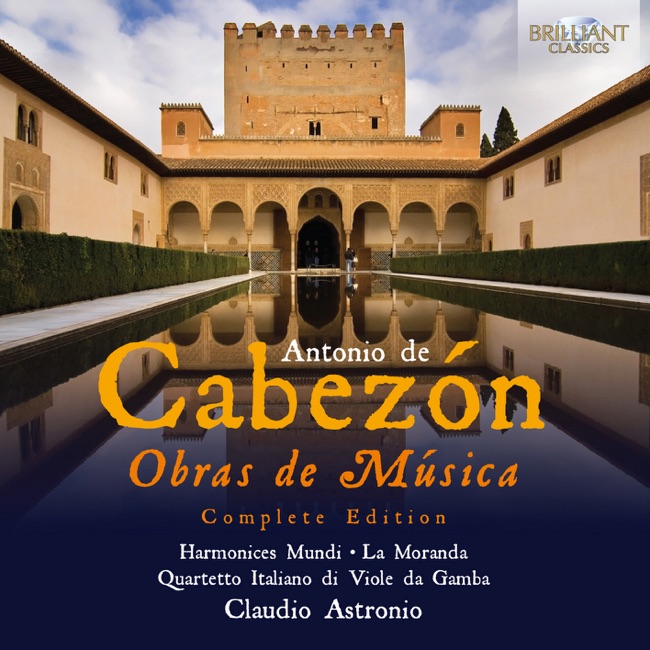
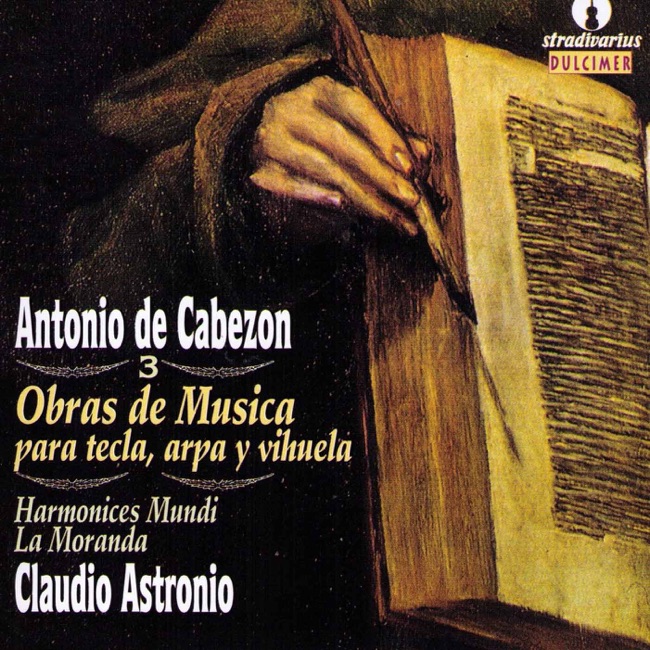
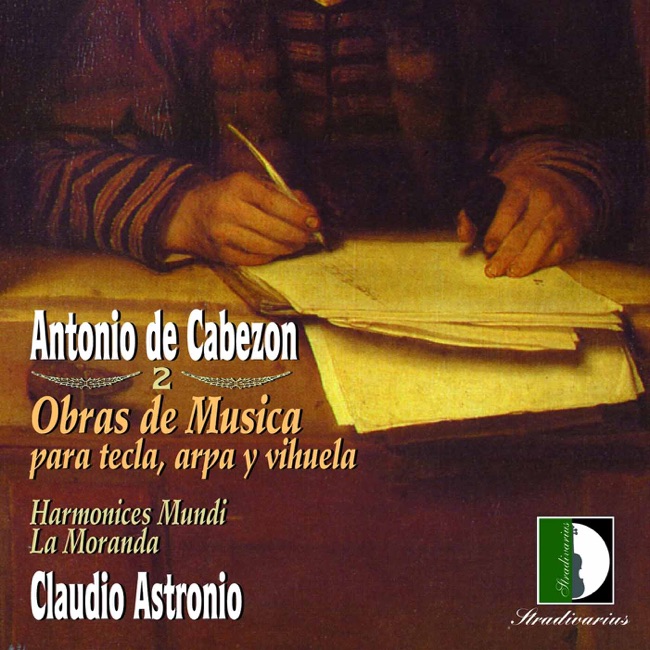
Composer:Antonio de CabezónGenre:KeyboardStyle:KeyboardAverage_duration:2:24Antonio de Cabezón was a Spanish composer and organist who lived during the Renaissance period. He was born in 1510 in Castrillo Mota de Judíos, Burgos, and died in 1566 in Madrid. Cabezón was one of the most important composers of his time, and his works are still performed and studied today. One of Cabezón's most famous works is "Otra pange lingua," which was composed in the mid-16th century. The piece is a set of variations on the hymn "Pange Lingua Gloriosi Corporis Mysterium," which is traditionally sung during the Catholic liturgy on Holy Thursday. The hymn is a celebration of the Eucharist and the mystery of the Incarnation. "Otra pange lingua" is written for keyboard, and it consists of six variations on the hymn. The first variation is a simple statement of the melody, followed by a more elaborate variation that features intricate ornamentation and virtuosic flourishes. The third variation is a slower, more contemplative setting of the melody, while the fourth variation is a lively dance-like piece. The fifth variation is a complex fugue, and the final variation is a grand statement of the melody with full chords and a triumphant ending. The piece is characteristic of Cabezón's style, which is characterized by its virtuosity, complexity, and expressive power. Cabezón was a master of keyboard technique, and his works often feature intricate ornamentation, complex harmonies, and elaborate counterpoint. At the same time, his music is deeply expressive, with a wide range of emotions and moods. "Otra pange lingua" was premiered during Cabezón's lifetime, and it quickly became one of his most popular works. It has since been performed and recorded by many keyboardists, and it remains a beloved piece of Renaissance music.More....
Works Music