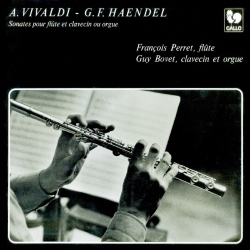
Antonio Vivaldi
Sonata for musette & continuo in G minor, Op. 13/6, RV 58
Released Album
Recent Album


Works Info
Composer:Antonio VivaldiGenre:ChamberStyle:SonataCompose Date:1737Average_duration:7:40Movement_count:4Movement ....Antonio Vivaldi's Sonata for musette & continuo in G minor, Op. 13/6, RV 58, was composed in the early 18th century. The exact date of composition is unknown, but it is believed to have been written between 1720 and 1730. The sonata was premiered in Venice, Italy, where Vivaldi was a prominent composer and violinist. The sonata consists of three movements: Largo, Allegro, and Largo. The first movement, Largo, is a slow and mournful piece that showcases the musette, a type of bagpipe popular in France during the Baroque era. The musette is accompanied by a continuo, which provides a steady bass line and harmonic support. The second movement, Allegro, is a lively and energetic piece that features virtuosic passages for both the musette and continuo. The final movement, Largo, returns to the melancholic mood of the first movement, with the musette playing a plaintive melody over a simple continuo accompaniment. The sonata is characteristic of Vivaldi's style, with its use of virtuosic solo passages, rhythmic drive, and expressive melodies. The musette, with its distinctive sound and associations with French folk music, adds a unique flavor to the piece. The use of a continuo, a standard feature of Baroque music, provides a flexible and adaptable accompaniment that can be tailored to the needs of the soloist. Overall, Vivaldi's Sonata for musette & continuo in G minor, Op. 13/6, RV 58, is a beautiful and expressive work that showcases the talents of both the musette player and the continuo accompanist. Its combination of virtuosity, expressiveness, and unique instrumentation make it a standout piece in Vivaldi's oeuvre.More....
Works Music
Released Music
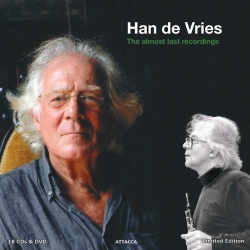

3
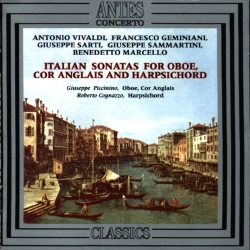
1:22
4

1:41
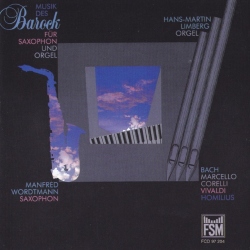
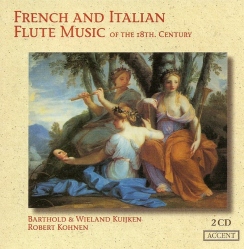
7
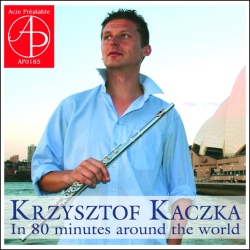
1:23
8
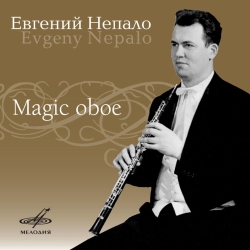
2:52