Hugh Kellyk
Gaude Flore Virginali
Released Album
Recent Album
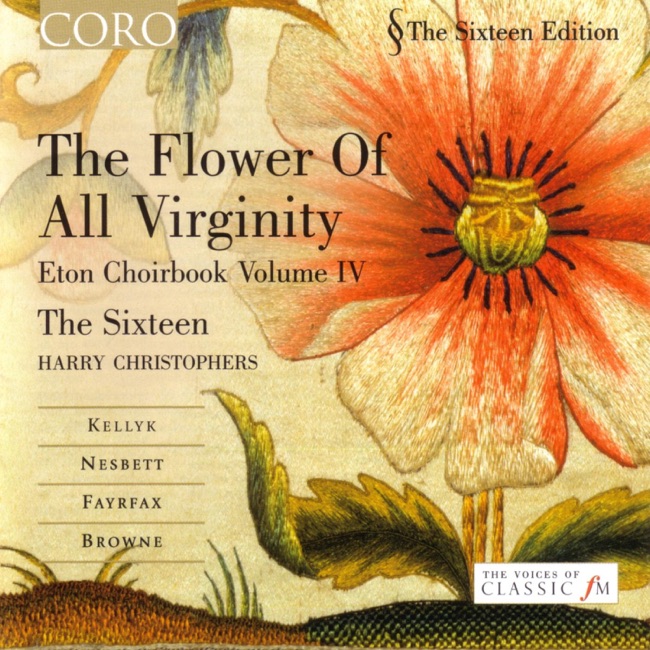
Featured Album
Works Info
Composer:Hugh KellykGenre:MiscellaneousStyle:MiscellaneousAverage_duration:13:35Gaude Flore Virginali is a choral work composed by Hugh Kellyk, a 14th-century English composer. The piece is believed to have been composed in the early 14th century, although the exact date is unknown. It is a polyphonic work, written for four voices, and is considered to be one of the earliest examples of English polyphony. The piece is believed to have been written for the Feast of the Assumption of the Virgin Mary, which is celebrated on August 15th. It was likely performed in a church or cathedral, as part of the liturgy for the feast day. Gaude Flore Virginali is divided into three movements, each of which is based on a different text. The first movement is based on the antiphon Gaude Flore Virginali, which is a hymn of praise to the Virgin Mary. The second movement is based on the hymn Ave Maris Stella, which is a prayer to the Virgin Mary. The third movement is based on the antiphon Salve Regina, which is a hymn of supplication to the Virgin Mary. The piece is characterized by its use of polyphony, which is the simultaneous sounding of two or more independent melodies. Each of the four voices in the piece has its own melody, which is woven together with the other voices to create a rich and complex texture. The piece also features frequent use of imitation, in which one voice repeats a melody that has just been played by another voice. Overall, Gaude Flore Virginali is a beautiful and complex choral work that showcases the early development of English polyphony. Its use of multiple voices and intricate melodies make it a challenging and rewarding piece for performers and listeners alike.More....
Works Music