Samuel Scheidt
Chorale prelude for organ
Works Info
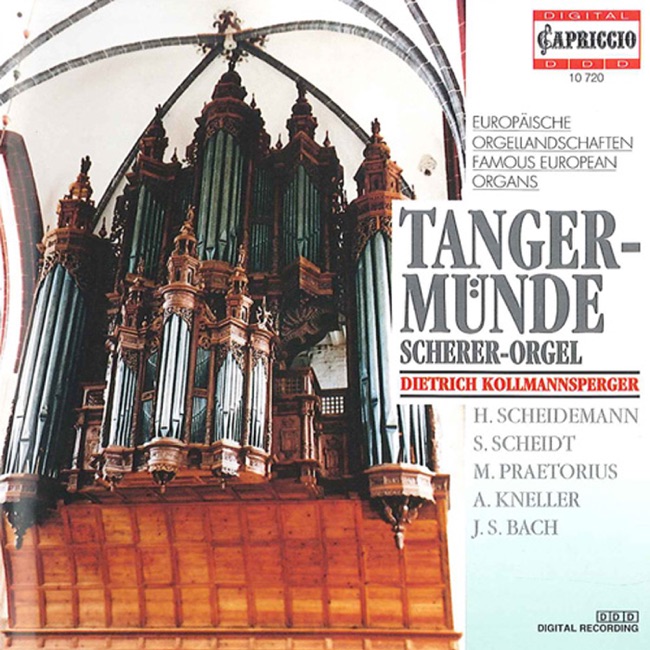
Composer:Samuel ScheidtGenre:KeyboardStyle:Chorale PreludeCompose Date:1624Average_duration:6:40Samuel Scheidt was a German composer and organist who lived from 1587 to 1654. He was a prominent figure in the development of the German Baroque style of music, and his works for the organ are considered some of the finest examples of the genre. One of his most famous works is the Chorale Prelude for Organ. The Chorale Prelude for Organ was composed by Scheidt in the early 17th century. It is a short piece of music that is based on a Lutheran chorale, which was a hymn sung by the congregation during church services. The piece is written for the organ, which was the primary instrument used in church music during this time period. The Chorale Prelude for Organ is divided into several movements, each of which is based on a different section of the chorale. The first movement is a simple statement of the melody, played on the organ's principal stop. The second movement is a more elaborate variation of the melody, with additional ornamentation and flourishes. The third movement is a slower, more contemplative section, which features a more complex harmonic structure. The final movement is a triumphant restatement of the melody, played with full organ and accompanied by a pedal point. One of the characteristics of Scheidt's Chorale Prelude for Organ is its use of counterpoint. Counterpoint is a technique in which two or more melodies are played simultaneously, creating a complex and harmonically rich texture. Scheidt was a master of counterpoint, and his use of this technique in the Chorale Prelude for Organ is one of the reasons why the piece is so highly regarded. Another characteristic of the Chorale Prelude for Organ is its use of ornamentation. Ornamentation is the addition of decorative elements to a melody, such as trills, turns, and grace notes. Scheidt's use of ornamentation in the Chorale Prelude for Organ adds to the piece's complexity and beauty. The Chorale Prelude for Organ premiered during church services in Germany in the early 17th century. It quickly became a popular piece of music, and it has remained a staple of the organ repertoire ever since. Today, it is still performed in churches and concert halls around the world, and it is considered one of the finest examples of the German Baroque style of music.More....