Georg Philipp Telemann
Niaise, TWV 41:E2
Released Album
Recent Album
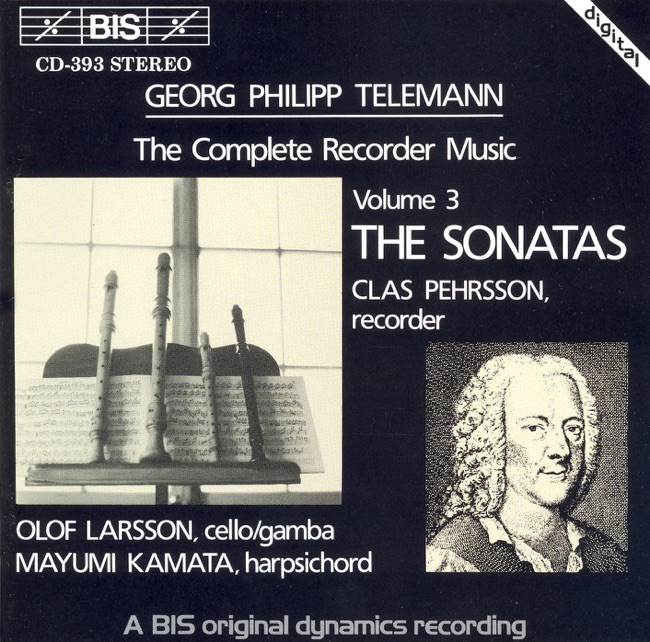
Featured Album
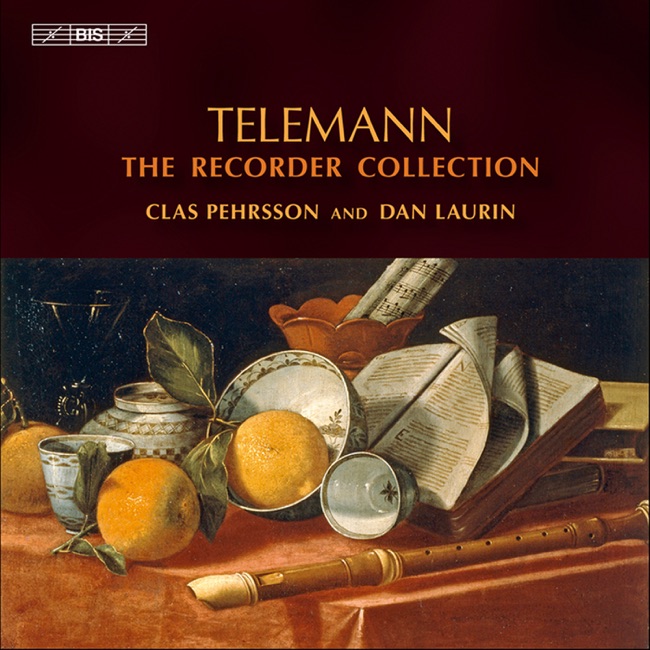
Works Info
Composer:Georg Philipp TelemannGenre:ChamberStyle:Chamber MusicCompose Date:1728Publication Date:1728Average_duration:1:20'Niaise, TWV 41:E2' is a chamber music piece composed by Georg Philipp Telemann, a German Baroque composer, in the early 18th century. The piece was composed in 1716 and premiered in Hamburg, Germany. It is a part of Telemann's collection of chamber music works, which he composed during his tenure as the music director of the Hamburg Opera. 'Niaise, TWV 41:E2' is a trio sonata, which means it is a piece of music written for three instruments. The piece consists of four movements, which are typical of the Baroque era. The first movement is a fast-paced allegro, followed by a slow and expressive adagio. The third movement is a lively allegro, and the final movement is a fast and energetic presto. The piece is characterized by its use of counterpoint, which is a technique where two or more melodies are played simultaneously. Telemann uses this technique to create a complex and intricate musical texture, which is typical of Baroque music. The piece also features a variety of musical ornaments, such as trills and mordents, which add to its ornate and decorative style. The instrumentation of 'Niaise, TWV 41:E2' consists of a flute, violin, and continuo. The continuo is played by a harpsichord or a cello and provides a harmonic foundation for the melody instruments. The flute and violin take turns playing the melody, with each instrument showcasing its unique timbre and range. Overall, 'Niaise, TWV 41:E2' is a prime example of Telemann's skill as a composer of chamber music. Its intricate counterpoint, ornate style, and lively rhythms make it a delightful piece to listen to and perform.More....