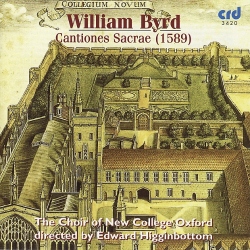
William Byrd
Aspice Domine de sede
Released Album
Recent Album

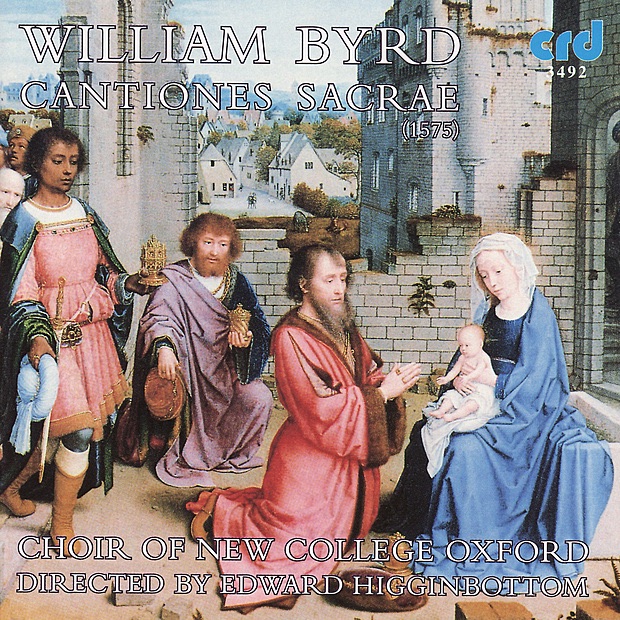
Featured Album
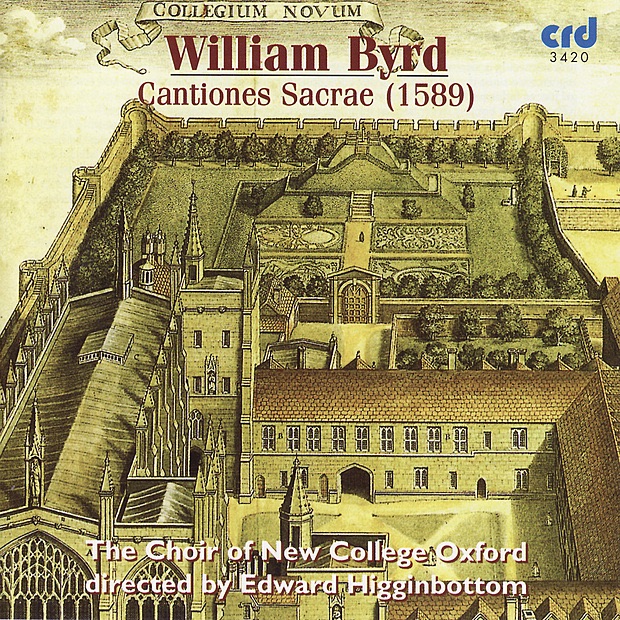
Works Info
Composer:William ByrdGenre:ChoralStyle:MotetAverage_duration:5:34Aspice Domine de sede is a sacred motet composed by William Byrd, an English composer of the Renaissance period. The piece was composed in the late 16th century, during the reign of Queen Elizabeth I. It was first performed in 1605, during the reign of King James I, at the Chapel Royal in London. The motet is written for four voices, with the text taken from Psalm 80. The piece is divided into three movements, each with its own distinct character and mood. The first movement is marked "Allegro," and features a lively, rhythmic melody that is passed between the voices. The second movement is marked "Adagio," and is more contemplative in nature, with a slower tempo and more sustained harmonies. The final movement is marked "Allegro," and returns to the lively, rhythmic character of the first movement. One of the most notable characteristics of Aspice Domine de sede is its use of imitative polyphony. Throughout the piece, the voices imitate each other, creating a rich, complex texture that is typical of Renaissance music. Byrd also makes use of chromaticism, particularly in the second movement, which adds a sense of tension and drama to the piece. Overall, Aspice Domine de sede is a beautiful example of Renaissance sacred music, showcasing Byrd's skill as a composer and his ability to create complex, multi-layered textures. Its premiere at the Chapel Royal would have been a significant event, demonstrating the importance of music in the religious and cultural life of Elizabethan England.More....
Works Music
Released Music

Featured Music