Luis de Milán
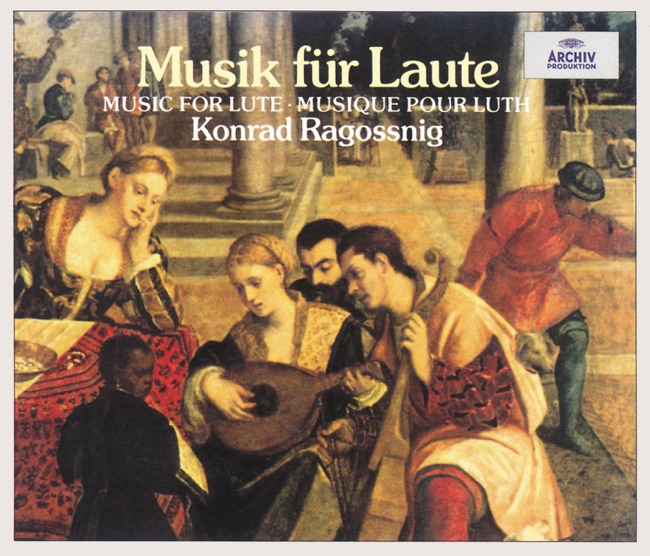
Pavana for lute No. 4 del septimo y octavo tono
Released Album
Recent Album

Works Info
Composer:Luis de MilánGenre:ChamberAverage_duration:1:19Luis de Milán was a Spanish composer and vihuelist who lived during the Renaissance period. He is known for his contribution to the development of instrumental music in Spain. One of his most famous works is the "Pavana for lute No. 4 del septimo y octavo tono," which was composed in the 16th century. The "Pavana for lute No. 4 del septimo y octavo tono" is a piece of music that is written for the lute, a stringed instrument that was popular during the Renaissance period. The piece is composed in the pavana style, which is a slow and stately dance that was popular in Europe during the 16th century. The piece is written in the seventh and eighth modes, which were commonly used in Renaissance music. The "Pavana for lute No. 4 del septimo y octavo tono" is divided into several movements, each of which has its own unique characteristics. The first movement is slow and stately, with a simple melody that is played on the lute. The second movement is more lively, with a faster tempo and a more complex melody. The third movement is slower and more contemplative, with a simple melody that is played on the lute. One of the characteristics of the "Pavana for lute No. 4 del septimo y octavo tono" is its use of counterpoint. Counterpoint is a technique that was commonly used in Renaissance music, in which two or more melodies are played simultaneously. In the "Pavana for lute No. 4 del septimo y octavo tono," the lute plays a simple melody while a second melody is played in the bass. Another characteristic of the "Pavana for lute No. 4 del septimo y octavo tono" is its use of ornamentation. Ornamentation is a technique that was commonly used in Renaissance music, in which additional notes or embellishments are added to a melody to make it more interesting. In the "Pavana for lute No. 4 del septimo y octavo tono," the lute player adds ornamentation to the melody to make it more complex and interesting. The "Pavana for lute No. 4 del septimo y octavo tono" was first premiered in the 16th century, during the Renaissance period. It was a popular piece of music during this time and was often played at courtly events and other social gatherings. Today, it is still considered to be one of the most important pieces of music from the Renaissance period and is often studied and performed by musicians around the world.More....
Works Music
Released Music
1

1:16