


Thomas Tallis
In jejunio et fletu, P. 198
Released Album
Recent Album


Featured Album
Works Info
Composer:Thomas TallisGenre:ChoralStyle:MotetCompose Date:1575Average_duration:5:02In jejunio et fletu, P. 198 is a choral work composed by Thomas Tallis, a prominent English composer of the Renaissance period. The piece is a setting of a Latin text taken from the Book of Joel, which is a part of the Old Testament. The text translates to "In fasting and weeping, the priests shall pray: spare, O Lord, spare thy people." The composition of In jejunio et fletu is believed to have taken place in the mid-16th century, during the reign of Queen Mary I of England. The piece was likely composed for use in the Catholic liturgy, which was reinstated during Mary's reign after a period of Protestant rule under her father, King Henry VIII, and her half-brother, King Edward VI. In jejunio et fletu is a four-part choral work, with the parts being soprano, alto, tenor, and bass. The piece is characterized by its somber and mournful tone, which is fitting for the text it sets. The work is also notable for its use of dissonance, which was a common feature of Renaissance music. The dissonances in In jejunio et fletu are used to create tension and a sense of longing, which adds to the emotional impact of the piece. The work is divided into three movements, with each movement featuring a different section of the text. The first movement begins with the words "In jejunio et fletu," and is characterized by a slow and mournful melody in the alto and tenor parts. The second movement begins with the words "Inter vestibulum et altare," and features a more complex and intricate texture, with the different parts weaving in and out of each other. The final movement begins with the words "Spare, O Lord, spare thy people," and is the most dramatic and emotional section of the piece. The movement builds to a climax with the words "ne tradas bestiis animas confitentium tibi," which translates to "do not deliver the souls of those who confess to you to beasts." Overall, In jejunio et fletu is a powerful and moving work that showcases Tallis's skill as a composer. The piece is a testament to the enduring power of Renaissance music, and continues to be performed and appreciated by audiences today.More....
Works Music
Released Music


7
5:16
Featured Music
1
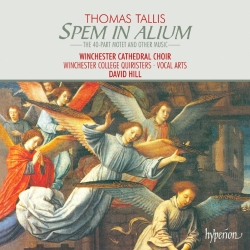
5:7
2
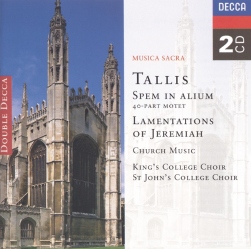
5:11
3
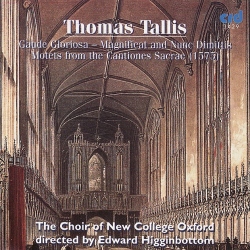
4:48
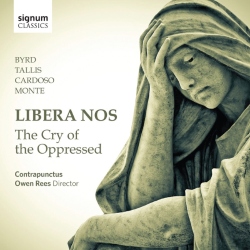
6
In jejunio et flute, P. 198
In ieiunio et fletu (Cantiones quae ab argumento sacrae vocantur no. 26)
4:15