William Byrd
Libera me, Domine, de morte aeterna
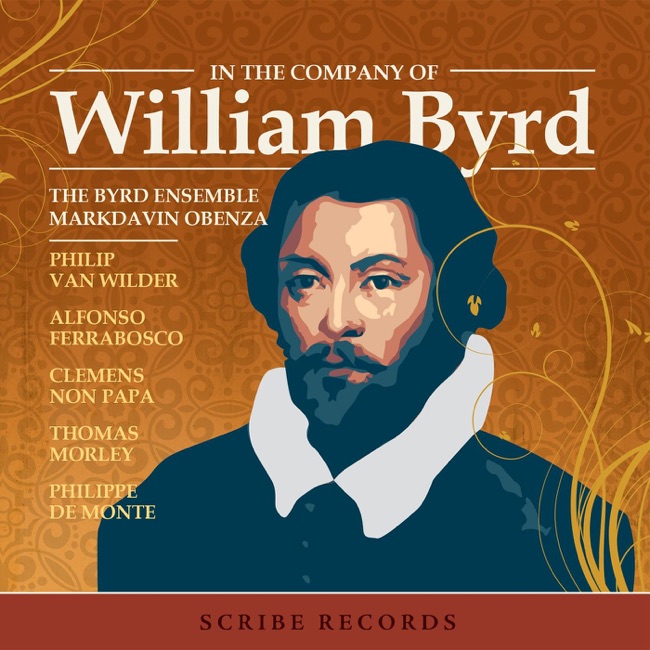
Released Album
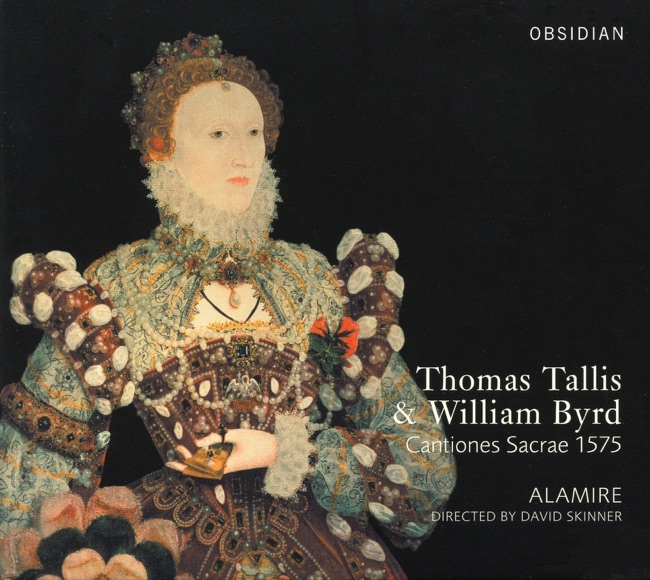
Recent Album
Works Info
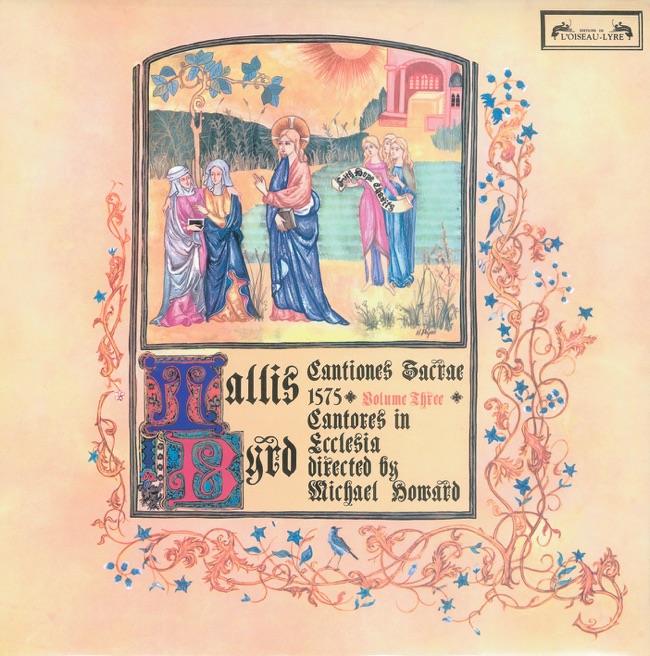
Composer:William ByrdGenre:ChoralStyle:MotetAverage_duration:5:57"Libera me, Domine, de morte aeterna" is a sacred choral work composed by William Byrd, an English composer of the Renaissance era. The piece was composed in the late 16th century, around 1590, during the reign of Queen Elizabeth I. It is a setting of the Latin text of the final responsory of the Office of the Dead, which is a liturgical service for the dead in the Roman Catholic Church. The piece is written for four voices, with the soprano, alto, tenor, and bass parts each having their own distinct melodies and harmonies. It is a relatively short work, with a duration of around three minutes. The piece is divided into two movements, with the first movement being a setting of the text "Libera me, Domine, de morte aeterna" (Deliver me, O Lord, from eternal death) and the second movement being a setting of the text "Tremens factus sum ego, et timeo, dum discussio venerit, atque ventura ira" (I am trembling and afraid, when the judgment shall come and the wrath to come). The first movement of "Libera me, Domine, de morte aeterna" is characterized by its somber and mournful tone. The music is slow and contemplative, with the voices singing in a homophonic texture. The harmonies are mostly simple and consonant, with occasional dissonances to add tension and drama. The text is repeated several times throughout the movement, with each repetition becoming more intense and urgent. The second movement of the piece is more dramatic and intense than the first. The music is faster and more complex, with the voices singing in a polyphonic texture. The harmonies are more dissonant and chromatic, reflecting the text's themes of fear and judgment. The voices often overlap and interweave, creating a sense of chaos and confusion. The movement ends with a powerful and climactic chord, emphasizing the text's final words of "ira" (wrath). Overall, "Libera me, Domine, de morte aeterna" is a powerful and moving work that reflects the solemnity and gravity of the Office of the Dead. Byrd's use of simple harmonies and complex polyphony creates a sense of tension and drama that perfectly complements the text's themes of fear, judgment, and salvation. The piece remains a popular choice for choral performances and is considered one of Byrd's most significant works.More....