


Franz Liszt
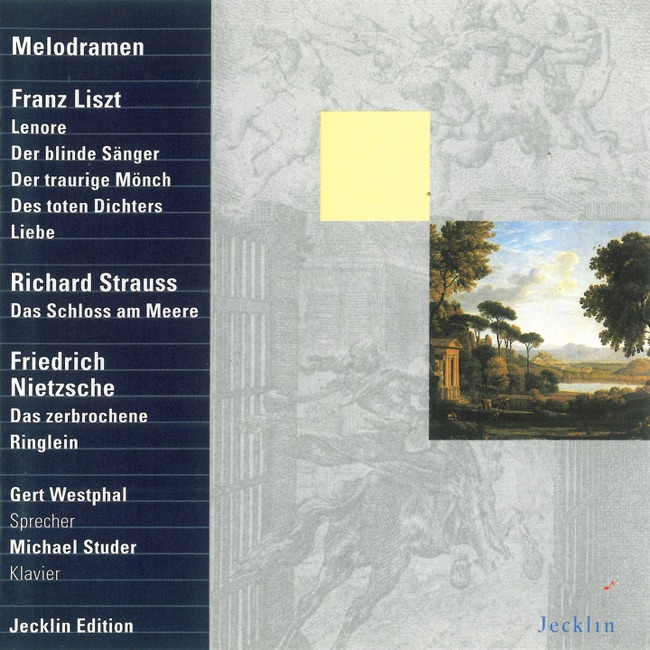
Des toten Dichters Liebe, S. 349
Released Album
Recent Album
Works Info
Composer:Franz LisztGenre:VocalStyle:SongCompose Date:1874Publication Date:1874Average_duration:14:12"Des toten Dichters Liebe" (The Dead Poet's Love) is a song composed by Franz Liszt in 1860. It was premiered in Weimar on December 2, 1860, with the composer himself at the piano and the baritone Julius Stockhausen as the vocalist. The song is part of a collection of six songs titled "Sechs Lieder von Goethe" (Six Songs by Goethe), which were composed by Liszt between 1848 and 1860. "Des toten Dichters Liebe" is a setting of a poem by Johann Wolfgang von Goethe, which tells the story of a young woman who falls in love with the ghost of a dead poet. The song is divided into three sections, each with a different mood and tempo. The first section is slow and mournful, with the piano playing a simple, repetitive melody while the vocalist sings the opening lines of the poem. The second section is faster and more passionate, with the piano playing a more complex accompaniment and the vocalist singing the more emotional parts of the poem. The third section returns to the slow, mournful mood of the opening, with the piano playing a variation of the melody from the first section and the vocalist singing the final lines of the poem. One of the most striking characteristics of "Des toten Dichters Liebe" is its use of chromaticism. Liszt employs a wide range of chromatic harmonies and melodic lines throughout the song, which creates a sense of tension and unease that is appropriate for the ghostly subject matter of the poem. Another notable feature of the song is its use of word painting, particularly in the second section. Liszt uses the piano accompaniment to illustrate the imagery of the poem, with descending lines representing tears and rising lines representing passion. Overall, "Des toten Dichters Liebe" is a haunting and evocative song that showcases Liszt's skill as a composer and his ability to capture the emotional essence of a poem through music. Its premiere in 1860 was well-received, and it remains a popular piece in the repertoire of art song today.More....
Works Music
Released Music
1
15:39
4
13:46