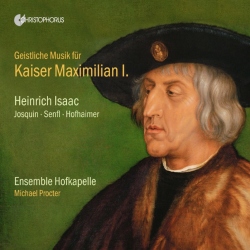
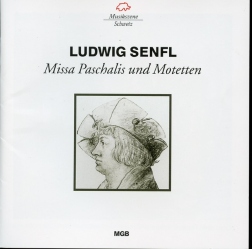
Ludwig Senfl
De profundis
Released Album
Recent Album
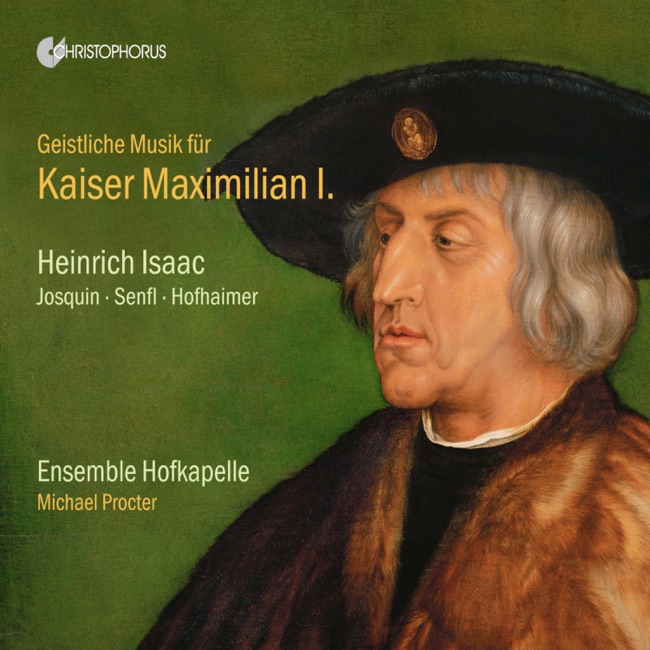
Works Info
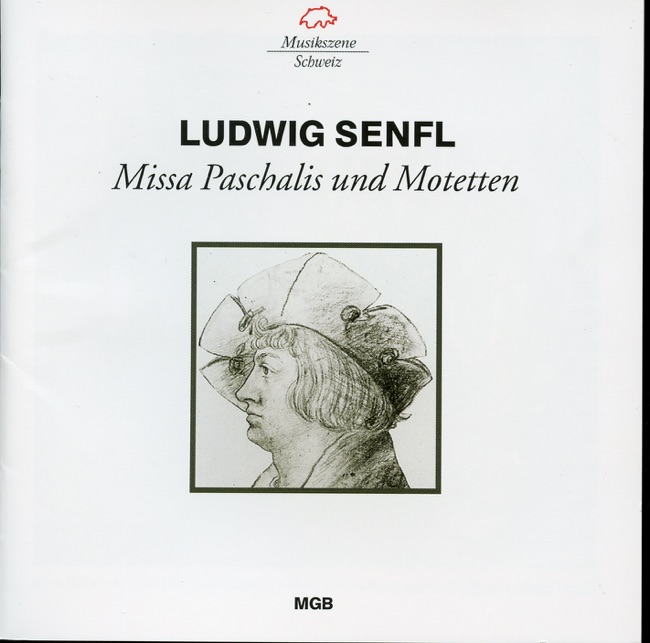
Composer:Ludwig SenflStyle:PsalmAverage_duration:5:39De profundis is a choral work composed by Ludwig Senfl, a prominent composer of the Renaissance era. The piece was composed in the early 16th century and is believed to have been premiered in the court of Emperor Maximilian I in Vienna. The work is divided into six movements, each of which is based on a different section of Psalm 130, which begins with the words "De profundis" (Out of the depths). The first movement is a setting of the opening verses of the psalm, and is characterized by a somber, introspective mood. The second movement is more lively, with a faster tempo and more complex harmonies. The third movement is a setting of the verse "If thou, Lord, shouldst mark iniquities," and is marked by a sense of urgency and pleading. The fourth movement is a setting of the verse "Let Israel hope in the Lord," and is characterized by a more hopeful and optimistic mood. The fifth movement is a setting of the verse "For with the Lord there is mercy," and is marked by a sense of gratitude and thanksgiving. The final movement is a setting of the closing verses of the psalm, and is characterized by a sense of resolution and peace. Overall, De profundis is a powerful and emotionally charged work that showcases Senfl's skill as a composer. The piece is notable for its use of complex harmonies and intricate counterpoint, as well as its ability to convey a range of emotions through its various movements. It remains a popular work in the choral repertoire to this day.More....
Works Music