Joji Yuasa
Nine Levels of Ze-Ami
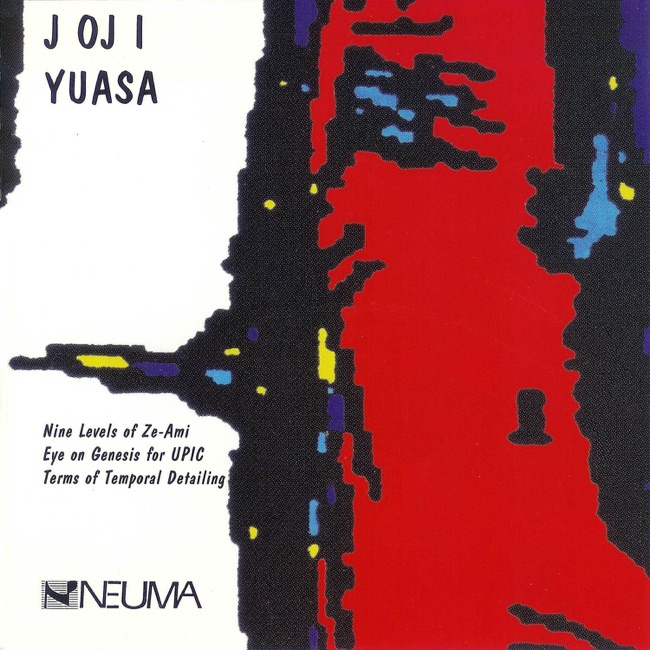
Works Info
Composer:Joji YuasaStyle:Electronic MusicAverage_duration:35:49Nine Levels of Ze-Ami is a contemporary Japanese composition by Joji Yuasa, a renowned composer and music theorist. The piece was composed in 1985 and premiered on October 26, 1985, at the Tokyo Bunka Kaikan concert hall. The composition is inspired by the Noh play "Atsumori" by Ze-Ami, a famous Noh playwright from the 14th century. The composition consists of nine movements, each representing a different level of consciousness. The first movement, "The World of the Five Senses," is characterized by a dense texture of sound, representing the physical world. The second movement, "The World of Dreams," is more ethereal, with a focus on the subconscious mind. The third movement, "The World of Memory," is introspective and nostalgic, with a recurring motif that represents the passing of time. The fourth movement, "The World of Imagination," is more abstract, with a focus on the creative mind. The fifth movement, "The World of Intuition," is characterized by a sense of uncertainty and unpredictability, representing the intuitive mind. The sixth movement, "The World of Inspiration," is more uplifting, with a sense of hope and optimism. The seventh movement, "The World of Enlightenment," is characterized by a sense of clarity and understanding, representing the enlightened mind. The eighth movement, "The World of Emptiness," is more minimalistic, with a focus on silence and emptiness. The final movement, "The World of Nirvana," is the culmination of the piece, with a sense of transcendence and spiritual awakening. Overall, Nine Levels of Ze-Ami is a complex and multi-layered composition that explores the different levels of consciousness and the human experience. The use of traditional Japanese instruments, such as the shakuhachi and koto, adds to the piece's cultural significance and creates a unique sound world. The composition is a testament to Joji Yuasa's innovative approach to music and his ability to bridge the gap between tradition and modernity.More....