Vitezslav Novák
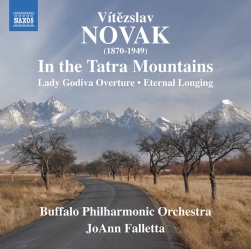
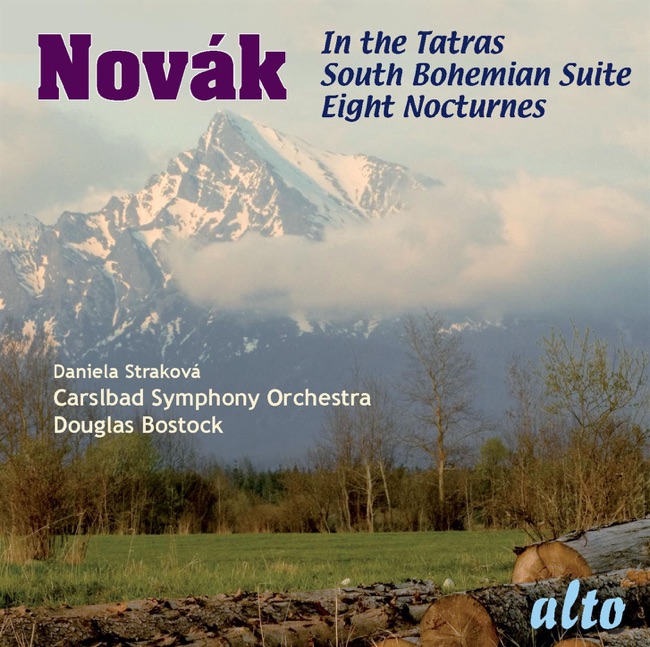
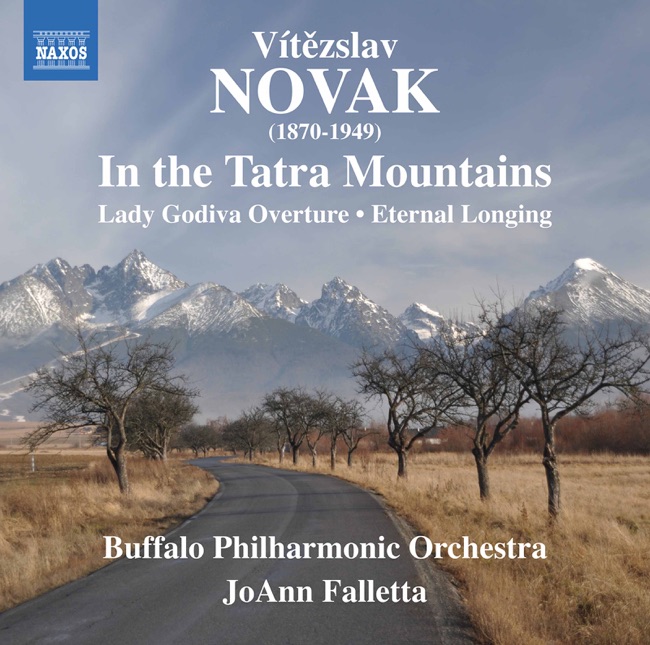
V Tatrách, Op. 26
Released Album
Recent Album
Featured Album
Works Info
Composer:Vitezslav NovákGenre:OrchestralStyle:Tone PoemAverage_duration:16:54Vitezslav Novák's 'V Tatrách, Op. 26' is a symphonic poem that was composed in 1901. It premiered on March 23, 1902, in Prague, conducted by Karel Kovařovic. The piece is divided into four movements, each of which represents a different aspect of the Tatra Mountains, a range that spans the border between Slovakia and Poland. The first movement, 'Na Tatrách' (In the Tatras), begins with a slow, mysterious introduction that gradually builds in intensity. The main theme is introduced by the horns, and it is a sweeping melody that evokes the grandeur and majesty of the mountains. The music alternates between moments of calm and moments of excitement, as if the listener is traversing the rugged terrain of the Tatras. The second movement, 'Pastyrská' (Shepherd's Song), is a gentle, pastoral interlude that features a solo oboe. The melody is simple and folk-like, and it conjures up images of shepherds tending their flocks on the mountainside. The music is peaceful and serene, and it provides a moment of respite before the stormy third movement. The third movement, 'V Bouři' (In the Storm), is a dramatic and turbulent depiction of a mountain storm. The music is full of energy and tension, with crashing cymbals and thunderous timpani. The strings play a frenzied, swirling melody that suggests the howling winds and driving rain of a tempest. The storm eventually subsides, and the music returns to the calm of the opening movement. The final movement, 'Na Pastvinách' (On the Pastures), is a joyful and exuberant celebration of the mountain meadows. The music is lively and dance-like, with a folk-inspired melody that is passed around the orchestra. The horns and trumpets play a fanfare-like theme that brings the piece to a triumphant close. Overall, 'V Tatrách, Op. 26' is a vivid and evocative portrayal of the Tatra Mountains. Novák's use of folk melodies and programmatic elements gives the piece a distinctly Czech flavor, and his skillful orchestration creates a rich and colorful sound world. The piece remains a beloved staple of the Czech orchestral repertoire.More....
Works Music
Released Music
Featured Music