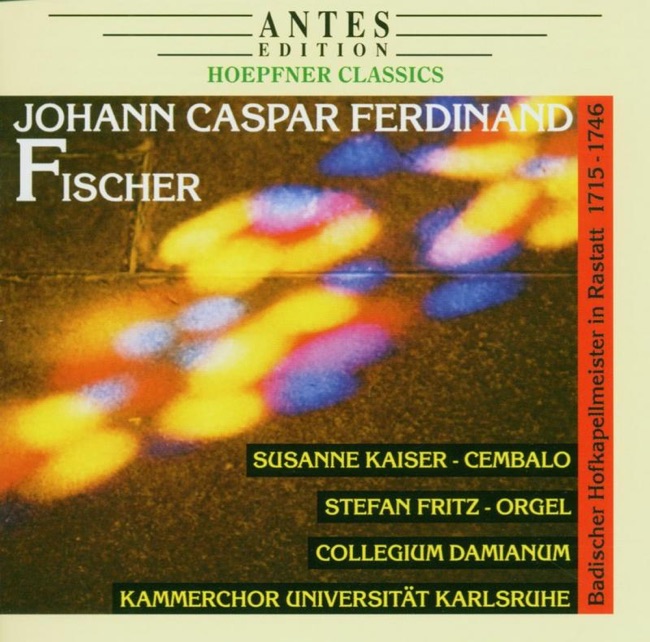
Johann Caspar Ferdinand Fischer
Suite for orchestra No. 4 in D minor
Released Album
Recent Album
Works Info
Composer:Johann Caspar Ferdinand FischerGenre:OrchestralStyle:OrchestralAverage_duration:10:24Movement_count:6Movement ....Johann Caspar Ferdinand Fischer's 'Suite for orchestra No. 4 in D minor' is a Baroque masterpiece that was composed in the late 17th century. The exact date of composition is unknown, but it is believed to have been written between 1695 and 1705. The suite was first premiered in the court of Margrave Ludwig Wilhelm of Baden in 1701. The suite consists of seven movements, each with its own unique character and style. The first movement, the Ouverture, is a grand and majestic opening that sets the tone for the rest of the suite. It is followed by the Allemande, a dance in a moderate tempo that features intricate counterpoint and a lively rhythm. The Courante, the third movement, is a fast-paced dance that showcases Fischer's skillful use of harmony and melody. The fourth movement, the Sarabande, is a slow and stately dance that is characterized by its expressive and melancholic melody. The Gavotte, the fifth movement, is a lively and upbeat dance that features a catchy melody and a playful rhythm. The sixth movement, the Menuet, is a graceful and elegant dance that is characterized by its simple and charming melody. The suite concludes with the Gigue, a fast and lively dance that features intricate rhythms and virtuosic passages. Fischer's 'Suite for orchestra No. 4 in D minor' is a prime example of Baroque music, characterized by its ornate melodies, intricate counterpoint, and elaborate harmonies. The suite showcases Fischer's mastery of the Baroque style, with its use of dance forms, intricate ornamentation, and virtuosic passages. The suite is also notable for its use of the French Overture style, which features a grand and majestic opening followed by a fast-paced section. Overall, Fischer's 'Suite for orchestra No. 4 in D minor' is a masterpiece of Baroque music that showcases the composer's skillful use of melody, harmony, and rhythm. Its seven movements each have their own unique character and style, making it a diverse and engaging work that is still enjoyed by audiences today.More....
Works Music
Released Music