Johann Heinrich Schmelzer
Sonata per chiesa et camera
Released Album
Recent Album
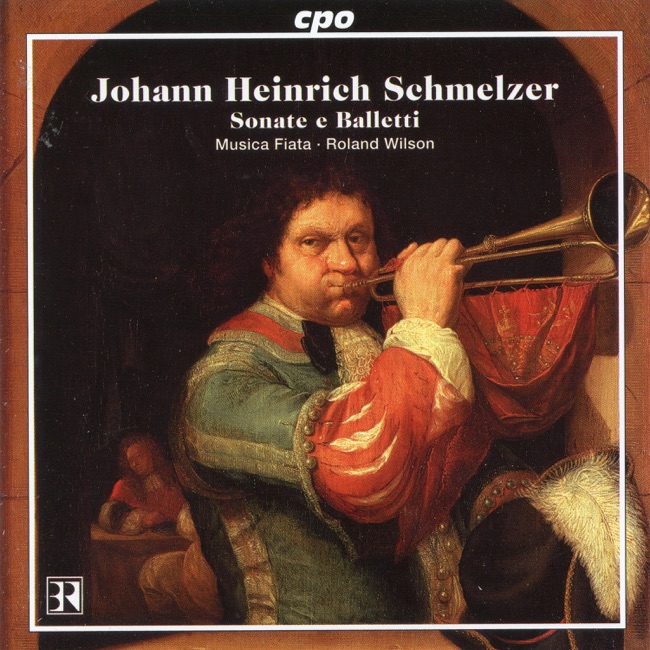
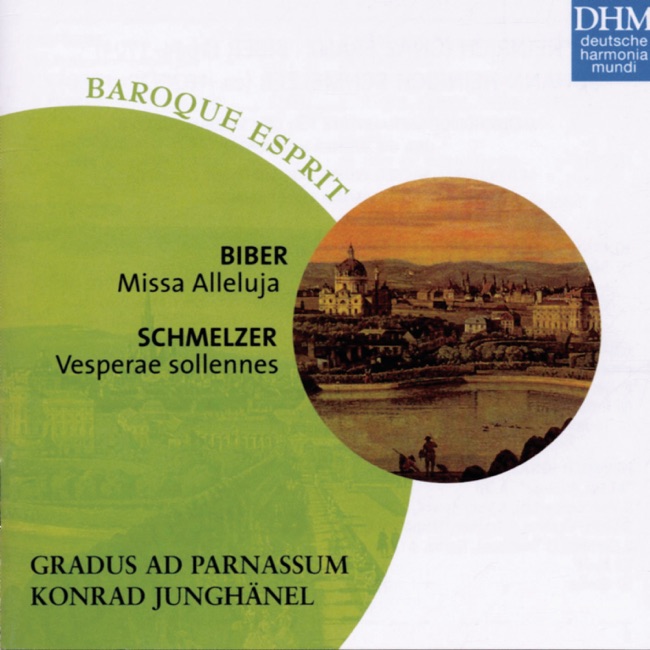
Works Info
Composer:Johann Heinrich SchmelzerGenre:ChamberStyle:SonataAverage_duration:5:43Movement_count:3Movement ....Johann Heinrich Schmelzer's 'Sonata per chiesa et camera' is a Baroque instrumental work that was composed in the mid-17th century. The piece was premiered in Vienna, Austria, around 1660, and it is considered one of Schmelzer's most significant works. The 'Sonata per chiesa et camera' is a multi-movement work that consists of several instrumental pieces. The first movement is a sonata, which is followed by a series of dances, including a courante, a sarabande, and a gigue. The final movement is a chaconne, which is a type of dance that features a repeating harmonic progression. The sonata movement of the 'Sonata per chiesa et camera' is characterized by its use of counterpoint and its complex harmonic structure. The piece features a variety of instrumental textures, including solo passages for the violin and the bassoon, as well as ensemble sections that showcase the interplay between the different instruments. The dance movements of the 'Sonata per chiesa et camera' are more lighthearted in nature, featuring lively rhythms and catchy melodies. The courante is a fast-paced dance that is characterized by its use of triple meter, while the sarabande is a slower, more stately dance that is often used in Baroque music to convey a sense of elegance and refinement. The gigue is a lively dance that is typically played in compound meter, featuring a fast tempo and intricate rhythms. The final movement of the 'Sonata per chiesa et camera', the chaconne, is a highlight of the piece. This movement features a repeating harmonic progression that serves as a foundation for a series of variations. The chaconne is a popular form in Baroque music, and Schmelzer's version is notable for its use of complex harmonies and intricate instrumental textures. Overall, the 'Sonata per chiesa et camera' is a masterful example of Baroque instrumental music. Schmelzer's use of counterpoint, complex harmonies, and intricate instrumental textures make this piece a standout in the Baroque repertoire. Its combination of serious and lighthearted movements, as well as its use of popular dance forms, make it an engaging and enjoyable work to listen to.More....
Works Music
Released Music