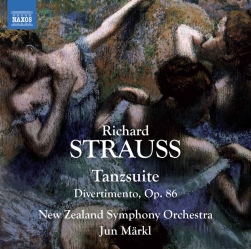
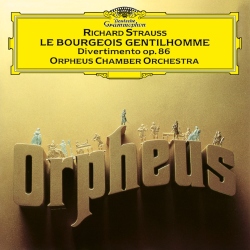
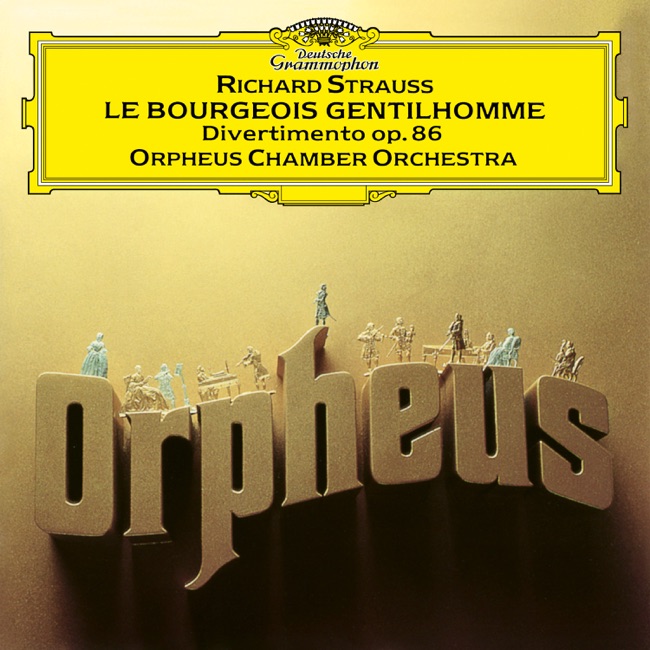
Richard Strauss
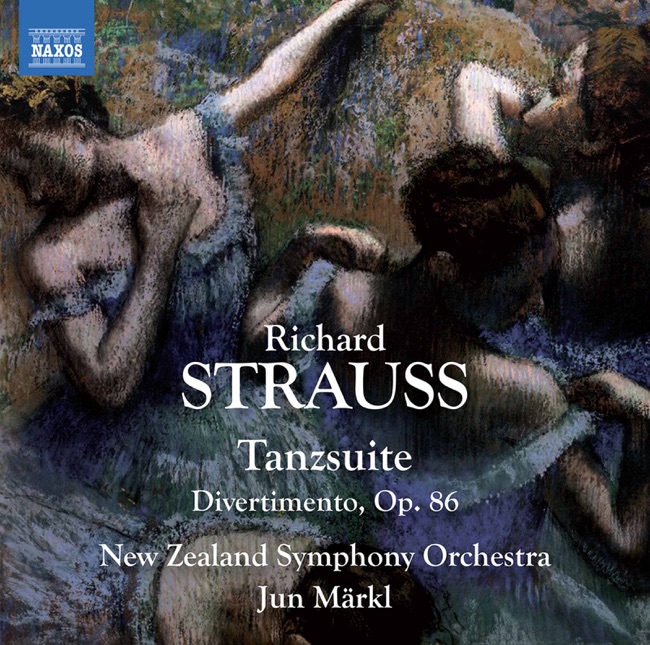
Divertimento, Op. 86
Released Album
Recent Album
Works Info
Composer:Richard StraussGenre:OrchestralStyle:DivertimentoCompose Date:1940 - 1941Average_duration:31:59Movement_count:8Movement ....Richard Strauss composed his 'Divertimento, Op. 86' in 1940, during the height of World War II. The piece was premiered on October 23, 1940, in Zurich, Switzerland, by the Tonhalle Orchestra under the direction of the composer himself. The 'Divertimento' is a three-movement work that showcases Strauss's mastery of orchestration and his ability to create music that is both playful and sophisticated. The first movement, marked Allegro, is a lively and energetic piece that features a playful melody in the strings and a series of intricate counterpoint passages. The second movement, marked Andante, is a more introspective piece that features a beautiful melody in the oboe and a series of lush harmonies in the strings. The final movement, marked Capriccio, is a fast and furious piece that features a series of virtuosic solos for various instruments, including the clarinet, trumpet, and violin. One of the most striking characteristics of the 'Divertimento' is its use of color and texture. Strauss employs a wide range of orchestral colors, from the bright and brassy sound of the trumpets to the warm and mellow sound of the cellos and basses. He also creates a variety of textures, from the thick and rich sound of the full orchestra to the delicate and transparent sound of the solo instruments. Another characteristic of the 'Divertimento' is its sense of humor and playfulness. Strauss was known for his wit and his ability to inject humor into his music, and the 'Divertimento' is no exception. The piece is full of unexpected twists and turns, and the composer frequently plays with the listener's expectations, creating moments of surprise and delight. Overall, the 'Divertimento, Op. 86' is a masterful work that showcases Strauss's skill as a composer and his ability to create music that is both sophisticated and entertaining. Its premiere in 1940 was a bright spot in an otherwise dark time, and the piece continues to be a beloved part of the orchestral repertoire today.More....
Works Music
Released Music