


Francesco Geminiani
Trio Sonata for violin, violone (or 2 violins) & continuo No. 3 in Eminor, Op. 1/3
Released Album
Recent Album
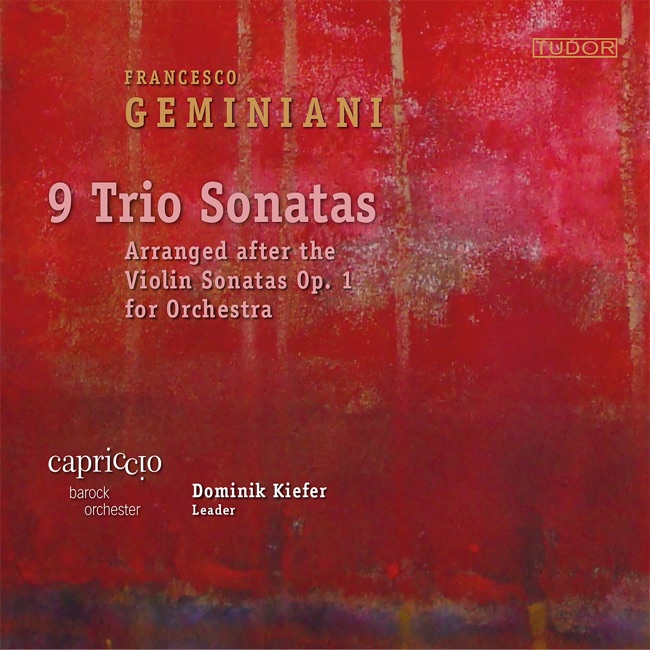
Featured Album

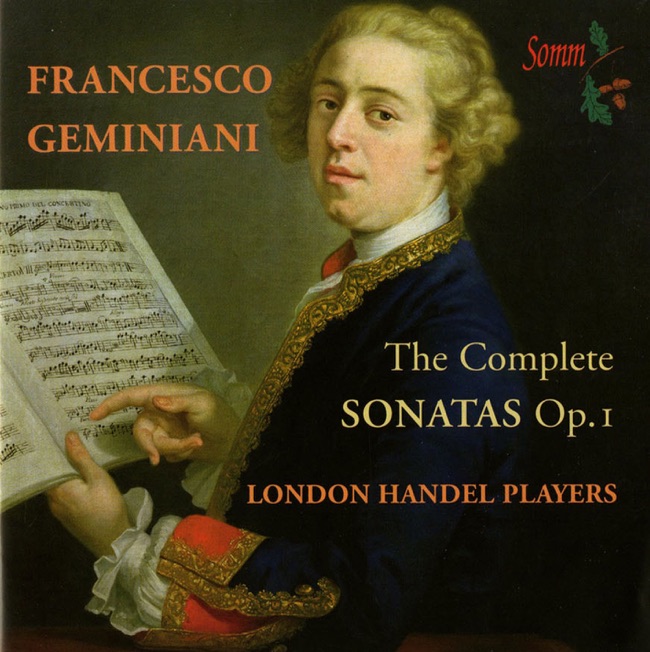
Works Info
Composer:Francesco GeminianiGenre:ChamberCompose Date:1716Publication Date:1716Average_duration:6:02Francesco Geminiani, an Italian composer and violinist, composed his Trio Sonata for violin, violone (or 2 violins) & continuo No. 3 in E minor, Op. 1/3 in the early 18th century. The exact date of composition is unknown, but it is believed to have been written around 1716-1717. The piece was first premiered in London, where Geminiani had settled and established himself as a prominent musician. The Trio Sonata consists of four movements: Adagio, Allegro, Adagio, and Allegro. The first movement, Adagio, is a slow and expressive introduction that sets the mood for the piece. The second movement, Allegro, is a lively and energetic dance-like section that showcases the virtuosity of the violin and violone. The third movement, Adagio, is another slow and contemplative section that provides a contrast to the previous movement. The final movement, Allegro, is a fast and lively conclusion that brings the piece to a thrilling end. The Trio Sonata is characterized by its use of counterpoint, a technique in which multiple melodic lines are played simultaneously. Geminiani was known for his skill in counterpoint, and this piece is a prime example of his mastery of the technique. The violin and violone often play in unison or in imitation of each other, creating a rich and complex texture. Another notable characteristic of the Trio Sonata is its use of ornamentation. Geminiani was a proponent of the Italian style of ornamentation, which involved adding embellishments to the melody to enhance its expressiveness. The violin part in particular is filled with trills, turns, and other ornaments that add to the beauty and complexity of the music. Overall, Geminiani's Trio Sonata for violin, violone (or 2 violins) & continuo No. 3 in E minor, Op. 1/3 is a masterful example of Baroque chamber music. Its use of counterpoint and ornamentation, combined with its expressive melodies and lively rhythms, make it a timeless work that continues to be performed and enjoyed by musicians and audiences alike.More....
Works Music
Released Music
1
Trio Sonata for violin, violone (or 2 violins) & continuo No. 3 in Eminor, Op. 1/3
I. Adagio. Allegro. Grave
2:47
Featured Music
1
3:2
2
18
3
3:3
4
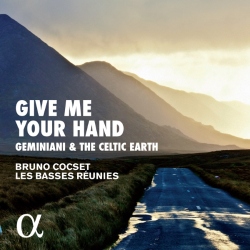
Trio Sonata for violin, violone (or 2 violins) & continuo No. 3 in Eminor, Op. 1/3
Sonata in E minor for Violin and Brass, Op. 1 No. 3
7:57