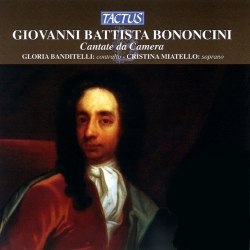
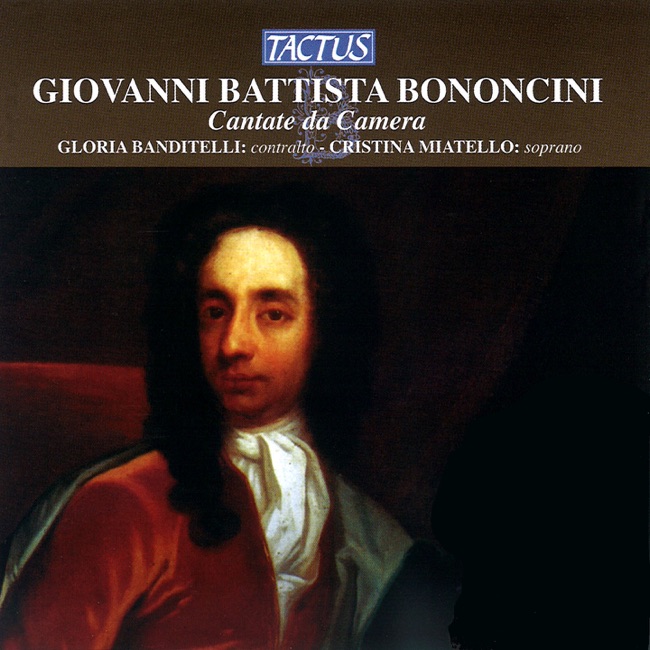
Giovanni Bononcini
Vidi in cimento due vaghi amori
Released Album
Recent Album
Works Info
Composer:Giovanni BononciniGenre:ChoralStyle:Cantata: SoloCompose Date:before 1748Average_duration:9:39'Vidi in cimento due vaghi amori' is an opera composed by Giovanni Bononcini. It was first performed in Venice on January 26, 1690. The opera consists of three acts and is written in the Baroque style. The first act begins with a prologue in which the goddess Venus and her son Cupid discuss the power of love. The main story then begins with the introduction of the two lovers, Licori and Alceste. Licori is in love with Alceste, but she is already engaged to another man, Eurillo. Licori's friend, Fileno, tries to help him win Alceste's heart, but his efforts are in vain. In the second act, Licori and Alceste are separated when Eurillo takes her away to his castle. Licori is heartbroken and decides to leave town. Fileno tries to convince him to stay, but Licori is determined to leave. Meanwhile, Alceste is also unhappy with her situation and longs to be with Licori. The third act sees Licori return to town disguised as a soldier. He manages to win Alceste's heart and they plan to elope. However, Eurillo discovers their plan and tries to stop them. In the end, Licori and Alceste are able to escape and live happily ever after. The music of 'Vidi in cimento due vaghi amori' is characterized by its use of recitative and aria. The recitative is used to advance the plot and convey dialogue, while the arias are used to express the characters' emotions. The music is also notable for its use of ornamentation and virtuosic vocal lines. Overall, 'Vidi in cimento due vaghi amori' is a charming and romantic opera that showcases Bononcini's skill as a composer. Its premiere in Venice was a great success and it remains a popular work in the Baroque opera repertoire.More....
Works Music