Fanny Mendelssohn
Mein Liebchen, wir saßen beisammen
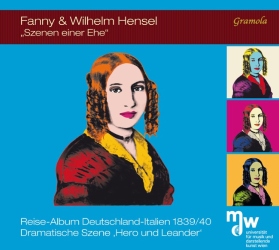
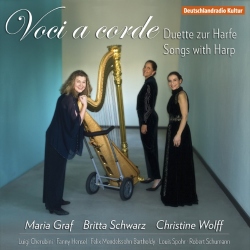
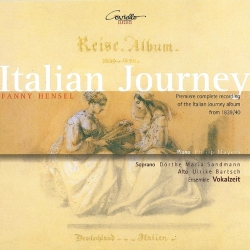
Released Album
Recent Album

Works Info
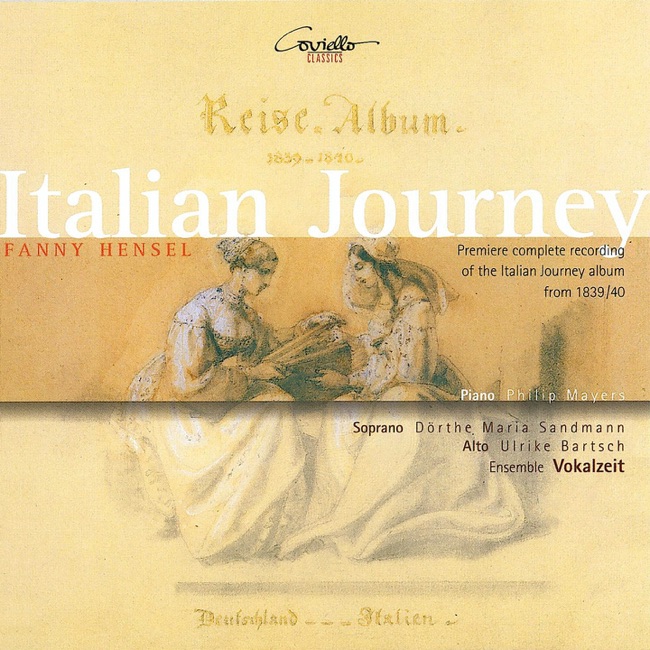
Composer:Fanny MendelssohnGenre:VocalStyle:Vocal MusicAverage_duration:2:40"Mein Liebchen, wir saßen beisammen" is a Lied composed by Fanny Mendelssohn in 1846. The piece was premiered in Berlin on March 15, 1846, with Fanny herself at the piano and her sister, the famous composer Felix Mendelssohn, accompanying on the violin. The Lied is written in a single movement and is characterized by its simple and intimate melody, which is accompanied by a delicate piano accompaniment. The piece is in the key of A-flat major and is written in a slow tempo, giving it a contemplative and introspective quality. The text of the Lied is a poem by the German poet Johann Wolfgang von Goethe, which tells the story of two lovers sitting together and reflecting on their relationship. The poem is full of tender and romantic imagery, which Fanny Mendelssohn captures beautifully in her music. The piece begins with a gentle piano introduction, which sets the mood for the rest of the Lied. The melody is then introduced by the voice, which sings the first verse of the poem. The piano accompaniment is sparse and delicate, providing a subtle support for the voice. As the Lied progresses, the melody becomes more complex, with the voice and piano weaving in and out of each other in a delicate dance. The second verse of the poem is sung with a slightly more urgent tone, as the lovers reflect on the fleeting nature of their time together. The final verse of the poem is sung with a sense of resignation, as the lovers acknowledge that their time together must come to an end. The melody becomes more subdued, and the piano accompaniment fades away, leaving the voice to sing the final lines of the poem alone. Overall, "Mein Liebchen, wir saßen beisammen" is a beautiful and intimate Lied that showcases Fanny Mendelssohn's skill as a composer. The piece is characterized by its simple melody, delicate piano accompaniment, and tender romantic imagery, making it a timeless classic of the Lied repertoire.More....
Works Music