Franz Liszt
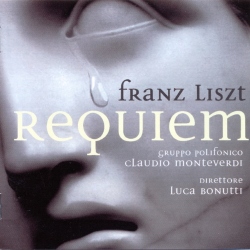
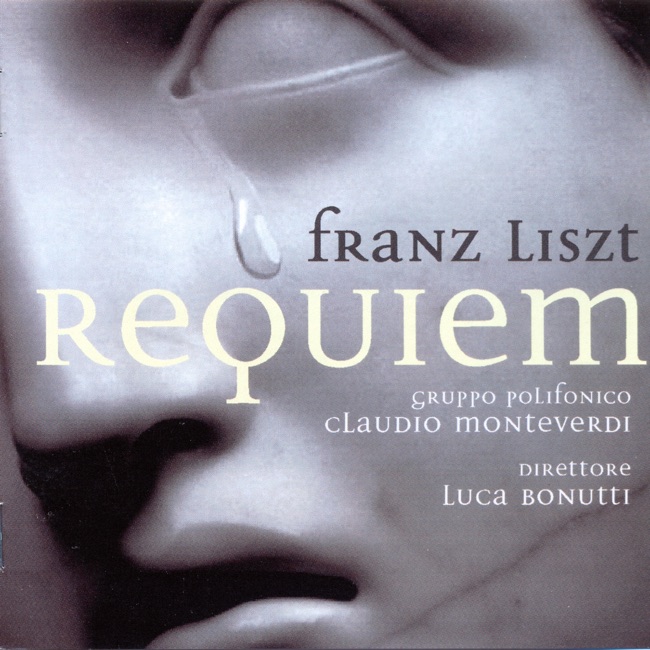
Requiem, S. 266
Released Album
Recent Album


Works Info
Composer:Franz LisztGenre:KeyboardStyle:RequiemCompose Date:1883Publication Date:1885Average_duration:15:35Movement_count:7Movement ....Franz Liszt's Requiem, S. 266, was composed in 1867 and premiered in 1876, after the composer's death. The work is divided into six movements, each with its own distinct character and musical style. The first movement, "Requiem aeternam," begins with a somber and mournful theme in the strings, which is then taken up by the choir. The music gradually builds in intensity, with the choir and orchestra alternating between moments of quiet reflection and powerful outbursts. The second movement, "Dies irae," is a dramatic and intense depiction of the Day of Judgment. The choir sings the famous Latin text, accompanied by thundering timpani and brass. Liszt's use of chromaticism and dissonance creates a sense of unease and impending doom. The third movement, "Offertorium," is a solo for mezzo-soprano and orchestra. The music is more lyrical and introspective than the previous movements, with the soloist singing a prayer for the souls of the departed. The fourth movement, "Sanctus," is a joyful and celebratory hymn of praise. The choir sings the text in a bright and lively tempo, accompanied by a fanfare of trumpets and horns. The fifth movement, "Agnus Dei," is a solo for soprano and orchestra. The music is gentle and peaceful, with the soloist singing a plea for mercy and forgiveness. The final movement, "Lux aeterna," is a triumphant and uplifting conclusion to the work. The choir sings a hymn of hope and redemption, accompanied by a soaring melody in the orchestra. Throughout the Requiem, Liszt demonstrates his mastery of orchestration and his ability to create a wide range of moods and emotions. The work is a powerful and moving tribute to the dead, and a testament to Liszt's skill as a composer.More....
Works Music
Released Music