Franz Liszt
Aus Lohengrin (2, I & II) (after Wagner), S. 446
Released Album
Recent Album
-

-
-
-
 Various ArtistsThe Very Best of Classical Music – Collection of Melodies to Feel Better, Relaxation & Stress ReliefApril 3, 2015
 -
-
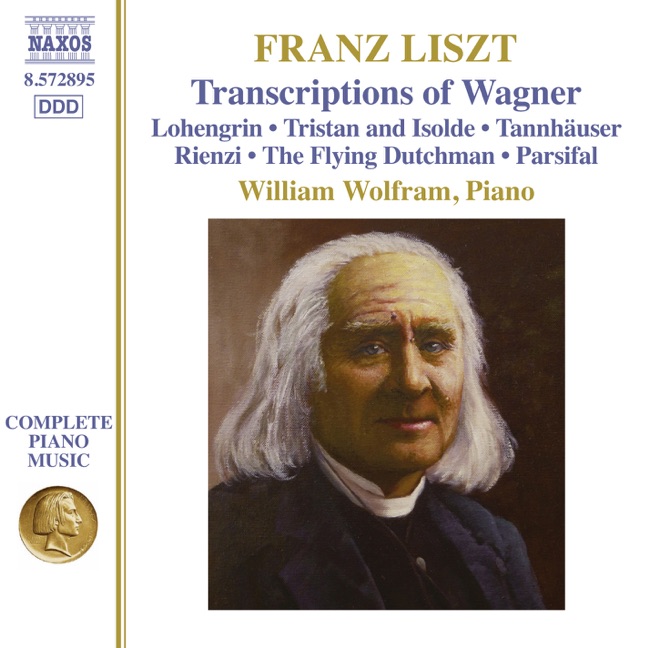
-
-
-
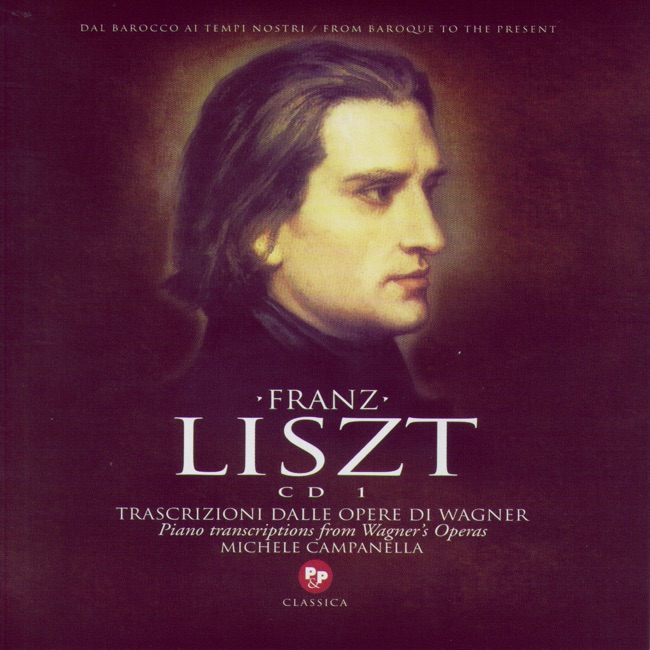
-
-
-
Works Info
Composer:Franz LisztGenre:KeyboardStyle:KeyboardCompose Date:1854 - 1861Publication Date:1854 - 1861Average_duration:16:08Movement_count:2Movement ....Franz Liszt's "Aus Lohengrin (2, I & II) (after Wagner), S. 446" is a piano transcription of two pieces from Richard Wagner's opera "Lohengrin." The first piece, "Elsa's Bridal Procession," is from Act II, Scene 4, and the second piece, "Lohengrin's Departure," is from Act III, Scene 2. Liszt composed the transcription in 1850, and it was premiered in the same year. The first movement, "Elsa's Bridal Procession," is a grand and majestic piece that captures the excitement and anticipation of Elsa's wedding day. Liszt's transcription faithfully captures the orchestral textures and harmonies of Wagner's original score, while also showcasing his own virtuosic piano writing. The piece begins with a fanfare-like introduction, followed by a series of ascending arpeggios that build to a triumphant climax. The main theme is then introduced, a regal melody that is passed between the hands and accompanied by a rolling bass line. The piece continues to build in intensity, with Liszt adding flourishes and embellishments to the original score, before finally reaching a grand conclusion. The second movement, "Lohengrin's Departure," is a more introspective and melancholic piece that captures the sadness and longing of Lohengrin as he prepares to leave Elsa and return to his own world. Liszt's transcription is more subdued than the first movement, with a slower tempo and more delicate touch. The piece begins with a mournful melody in the left hand, accompanied by a simple arpeggio in the right. The melody is then repeated in the right hand, with the left hand providing a gentle accompaniment. Liszt then introduces a new theme, a haunting melody that is played in the upper register of the piano. The two themes are then combined, with Liszt adding his own flourishes and embellishments to create a rich and complex texture. The piece ends with a quiet and introspective coda, as Lohengrin departs and Elsa is left alone. Overall, Liszt's "Aus Lohengrin (2, I & II) (after Wagner), S. 446" is a masterful transcription that captures the grandeur and emotion of Wagner's original score while also showcasing Liszt's own virtuosic piano writing. The two movements are distinct in character, with the first capturing the excitement and anticipation of Elsa's wedding day, and the second capturing the sadness and longing of Lohengrin's departure.More....
Works Music
Released Music

4

From Lohengrin (2, I & II) (after Wagner), p. 446
I. 'Festspiel und Brautlied'
The Very Best of Classical Music – Collection of Melodies to Feel Better, Relaxation & Stress Relief
4:45
6
From Lohengrin (2, I & II) (after Wagner), p. 446
Lohengrins Verweis an Elsa aus Lohengrin, S. 446 R. 279 No. 2
4:28
9
4:6