Christoph Graupner
Concerto for recorder & strings in F major
Released Album
Featured Album
Works Info
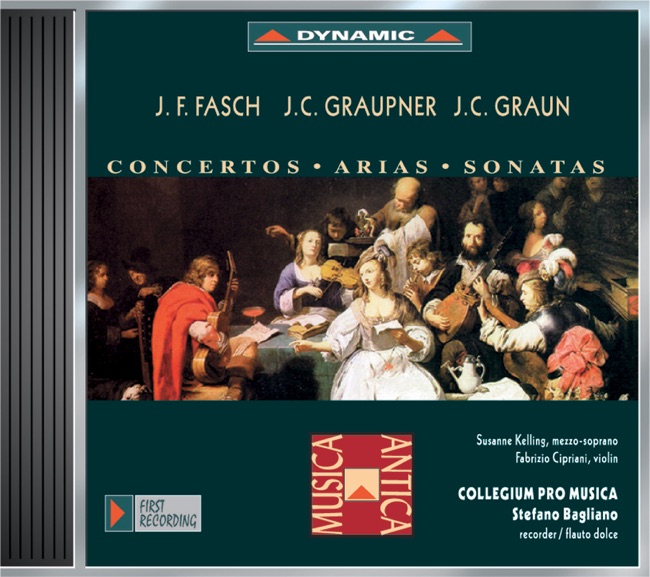
Composer:Christoph GraupnerGenre:ConcertoStyle:ConcertoAverage_duration:9:48Movement_count:3Movement ....Christoph Graupner's Concerto for recorder & strings in F major was composed in the early 18th century, during the Baroque period. The exact date of composition is unknown, but it is believed to have been written between 1725 and 1730. The concerto was premiered in Darmstadt, Germany, where Graupner served as the court composer for the Landgrave of Hesse-Darmstadt. The concerto consists of three movements: Allegro, Largo, and Allegro. The first movement is in a fast tempo and features a lively and energetic melody played by the recorder. The strings provide a supportive accompaniment, with occasional interjections of their own. The second movement, Largo, is slower and more contemplative. The recorder plays a mournful melody, accompanied by the strings in a simple and understated manner. The final movement returns to the fast tempo of the first, with the recorder and strings engaging in a lively and playful dialogue. One of the characteristics of Graupner's concerto is its use of counterpoint. The recorder and strings often play different melodies simultaneously, creating a complex and intricate texture. Another characteristic is the use of ornamentation, particularly in the recorder part. Graupner frequently adds trills, turns, and other embellishments to the recorder's melodies, adding to the virtuosic nature of the piece. Overall, Graupner's Concerto for recorder & strings in F major is a fine example of Baroque music. Its lively melodies, intricate counterpoint, and virtuosic recorder part make it a joy to listen to and perform.More....
Works Music
Featured Music