Henry Clay Work
Marching Through Georgia
Released Album
Recent Album
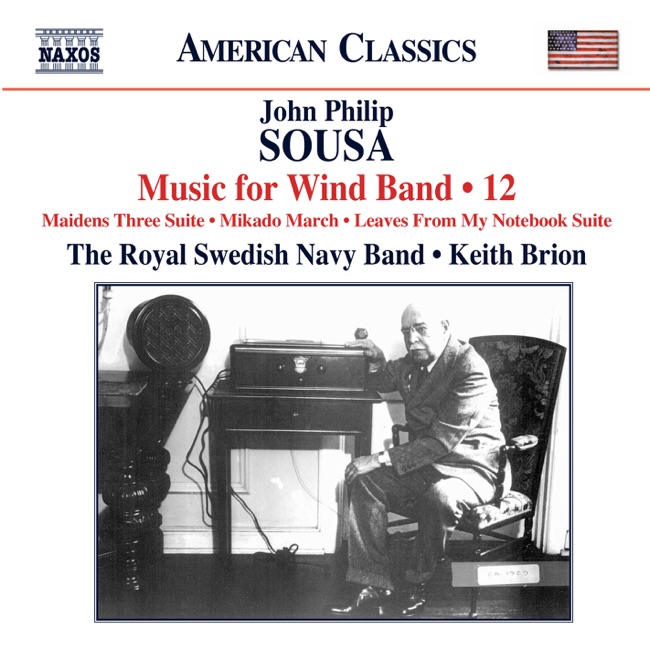
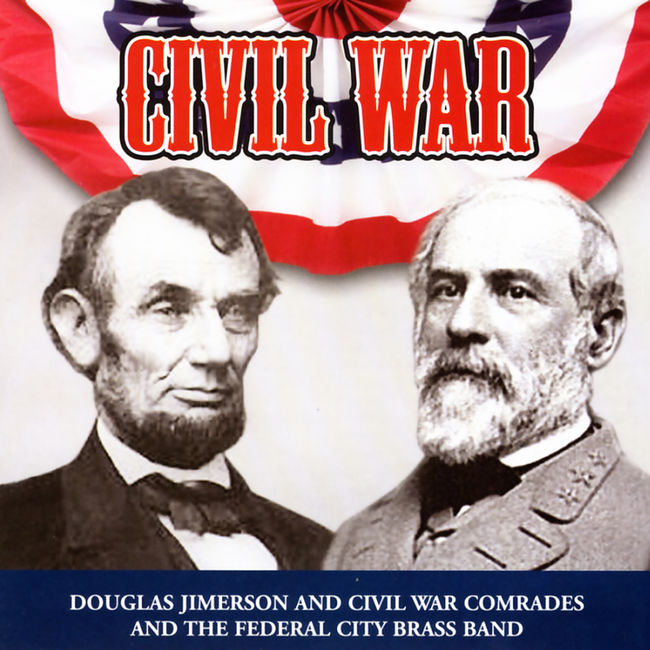


Works Info
Composer:Henry Clay WorkStyle:MarchAverage_duration:2:34"Marching Through Georgia" is a popular American patriotic song composed by Henry Clay Work in 1865. The song was written to celebrate the Union Army's successful campaign in Georgia during the American Civil War. It was first published in 1865 and quickly became a popular song throughout the United States. The song is composed of three verses and a chorus. The first verse describes the Union Army's march through Georgia, with lyrics such as "Hurrah! Hurrah! We bring the Jubilee! Hurrah! Hurrah! The flag that makes you free!" The second verse describes the Union Army's victory over the Confederacy, with lyrics such as "So we sang the chorus from Atlanta to the sea, While we were marching through Georgia." The third verse celebrates the end of the war and the reunification of the United States, with lyrics such as "How the darkeys shouted when they heard the joyful sound, How the turkeys gobbled which our commissary found." The song is characterized by its upbeat tempo and catchy melody. It was often performed by military bands during parades and other patriotic events. The song's popularity continued long after the end of the Civil War, and it was frequently performed during the Spanish-American War and World War I. "Marching Through Georgia" premiered in 1865, shortly after the end of the Civil War. It quickly became a popular song throughout the United States and was frequently performed by military bands during parades and other patriotic events. The song's popularity continued long after the end of the Civil War, and it was frequently performed during the Spanish-American War and World War I. In conclusion, "Marching Through Georgia" is a popular American patriotic song composed by Henry Clay Work in 1865. The song celebrates the Union Army's successful campaign in Georgia during the American Civil War and is characterized by its upbeat tempo and catchy melody. The song premiered in 1865 and quickly became a popular song throughout the United States, continuing to be performed during subsequent wars.More....