Franz Benda
Sonata for violin & continuo in C minor, L. III-9
Released Album
Recent Album
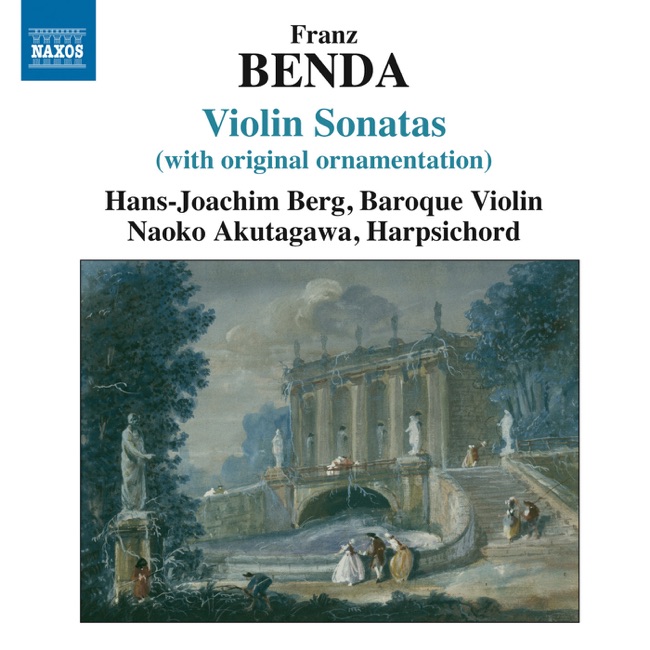
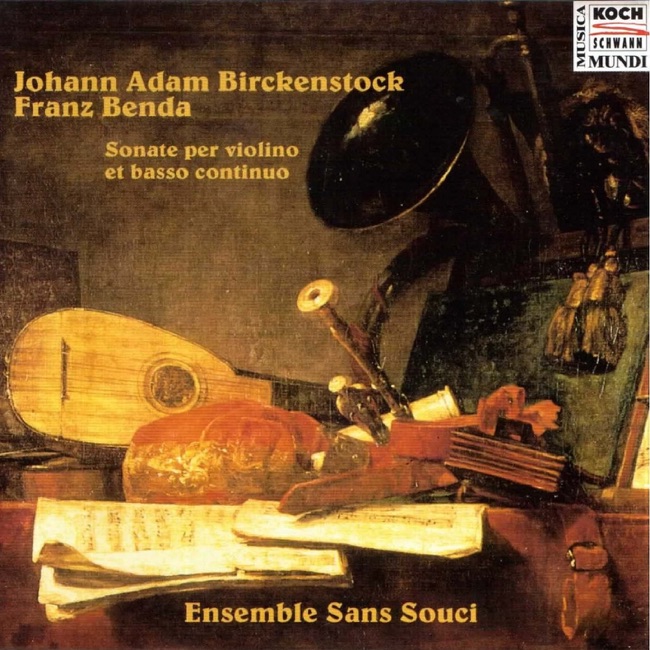
Works Info
Composer:Franz BendaGenre:ChamberStyle:SonataAverage_duration:10:37Movement_count:3Movement ....The Sonata for violin & continuo in C minor, L. III-9, was composed by Franz Benda, a German violinist and composer of the Baroque era. The exact date of composition is unknown, but it is believed to have been written in the mid-18th century. The piece consists of three movements: Adagio, Allegro, and Presto. The first movement, Adagio, is a slow and mournful introduction that sets the tone for the entire piece. The violin plays a simple melody that is accompanied by the continuo, which consists of a harpsichord and a cello. The movement is characterized by its use of chromaticism and dissonance, which create a sense of tension and unease. The second movement, Allegro, is a lively and energetic dance that contrasts with the first movement. The violin plays a fast and intricate melody that is accompanied by the continuo, which provides a steady rhythm. The movement is characterized by its use of counterpoint, which creates a sense of complexity and depth. The third movement, Presto, is a fast and virtuosic finale that showcases the technical abilities of the violinist. The violin plays a series of rapid and complex runs that are accompanied by the continuo, which provides a driving rhythm. The movement is characterized by its use of ornamentation, which adds a sense of excitement and flair. Overall, the Sonata for violin & continuo in C minor, L. III-9, is a masterful example of Baroque music. It showcases the technical abilities of the violinist while also demonstrating the complexity and depth of Baroque composition. The piece is a testament to the skill and creativity of Franz Benda, who was one of the most renowned violinists and composers of his time.More....
Works Music
Released Music