Heinrich Isaac
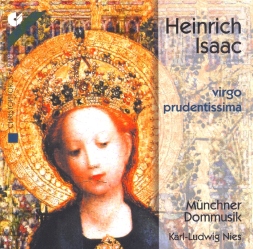
Virgo Prudentissima
Released Album
Recent Album

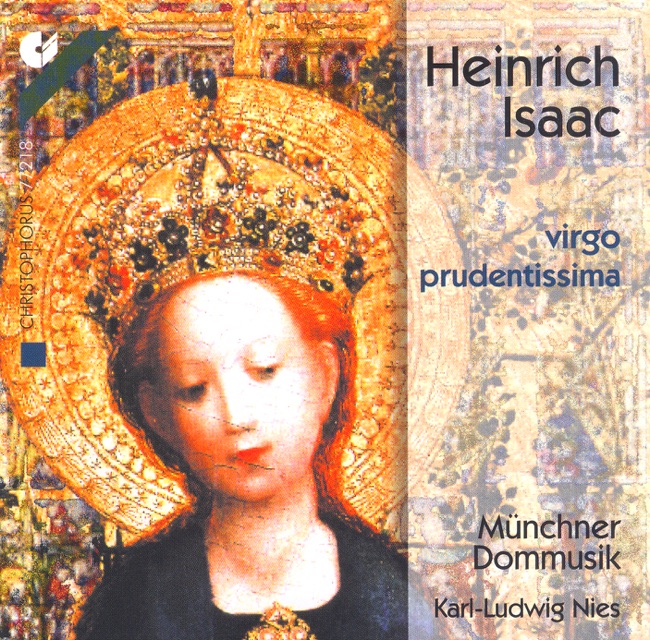
Featured Album
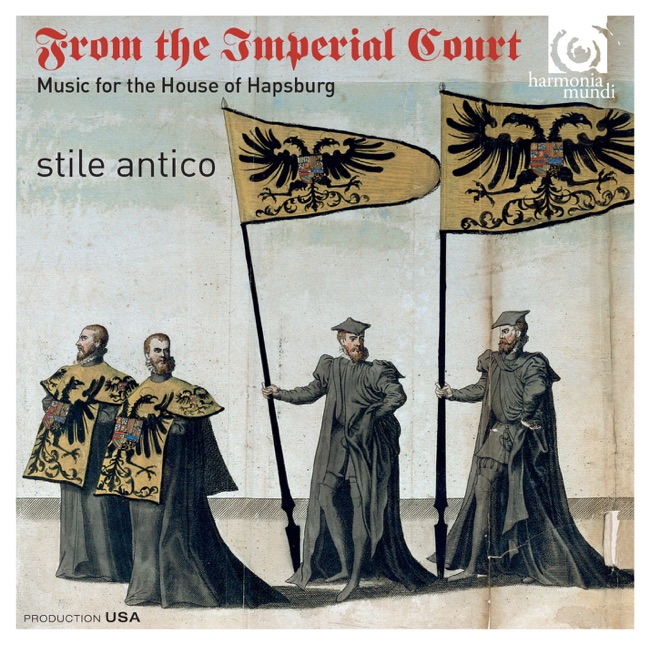
Works Info
Composer:Heinrich IsaacGenre:ChoralStyle:MotetAverage_duration:11:38Heinrich Isaac's 'Virgo Prudentissima' is a sacred motet composed in the late 15th century. The piece was likely composed during Isaac's time as a court musician in Florence, Italy, between 1485 and 1497. The motet is written for four voices, with the text in Latin. The premiere of 'Virgo Prudentissima' is unknown, but it was likely performed in a religious setting, such as a church or cathedral. The piece is divided into three movements, each with its own distinct character and musical style. The first movement is a gentle and flowing setting of the text "Virgo prudentissima, cuius aula celica," which translates to "Most prudent virgin, whose court is in heaven." The music is characterized by smooth, flowing lines and a gentle, lilting rhythm. The voices weave in and out of each other, creating a rich and complex texture. The second movement is a more lively and energetic setting of the text "O Maria, maris stella," which translates to "O Mary, star of the sea." The music is characterized by a faster tempo, lively rhythms, and a more complex harmonic structure. The voices often sing in imitation of each other, creating a sense of joyful celebration. The final movement is a solemn and reverent setting of the text "Ave, Regina caelorum," which translates to "Hail, queen of heaven." The music is characterized by a slower tempo, long, sustained notes, and a more somber harmonic structure. The voices sing in close harmony, creating a sense of reverence and awe. Overall, 'Virgo Prudentissima' is a beautiful and complex piece of sacred music that showcases Isaac's skill as a composer. The piece is characterized by its rich and complex textures, intricate harmonies, and flowing melodies. It remains a beloved piece of sacred music to this day.More....
Works Music
Released Music
3

10:31
Featured Music