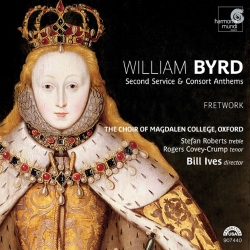
William Byrd
Magnificat, for 7 voices
Released Album
Recent Album
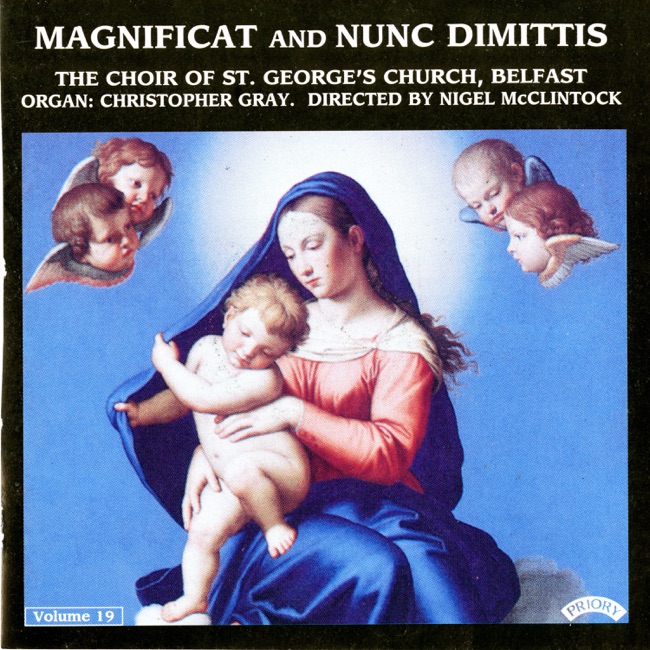
Featured Album
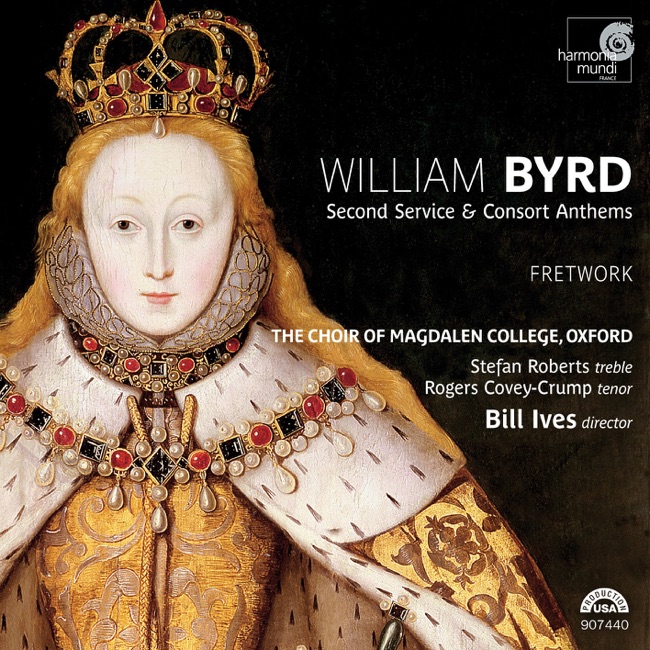
Works Info
Composer:William ByrdGenre:ChoralStyle:MagnificatAverage_duration:4:08William Byrd's Magnificat, for 7 voices, is a choral work that was composed in the late 16th century. It was first performed in 1607, during the reign of King James I, at the Chapel Royal in London. The Magnificat is a setting of the Latin text of the Canticle of Mary, which is a hymn of praise from the Gospel of Luke. The Magnificat is divided into nine movements, each of which corresponds to a section of the text. The first movement is a grand opening, with all seven voices singing together in a majestic and celebratory manner. The second movement is a duet between two sopranos, which is followed by a trio for alto, tenor, and bass. The fourth movement is a solo for alto, which is then followed by a duet for soprano and bass. The sixth movement is a trio for alto, tenor, and bass, which is followed by a solo for tenor. The eighth movement is a duet for soprano and alto, and the final movement is a grand closing, with all seven voices singing together once again. The Magnificat is characterized by its rich harmonies, intricate counterpoint, and expressive use of text painting. Byrd's use of chromaticism and dissonance creates a sense of tension and release throughout the work, which adds to its emotional impact. The vocal writing is also notable for its virtuosity, with each voice part requiring a high level of skill and precision. Overall, the Magnificat is a masterful example of Renaissance choral music, showcasing Byrd's skill as a composer and his deep understanding of the text. Its enduring popularity is a testament to its timeless beauty and power.More....
Works Music
Released Music
Featured Music