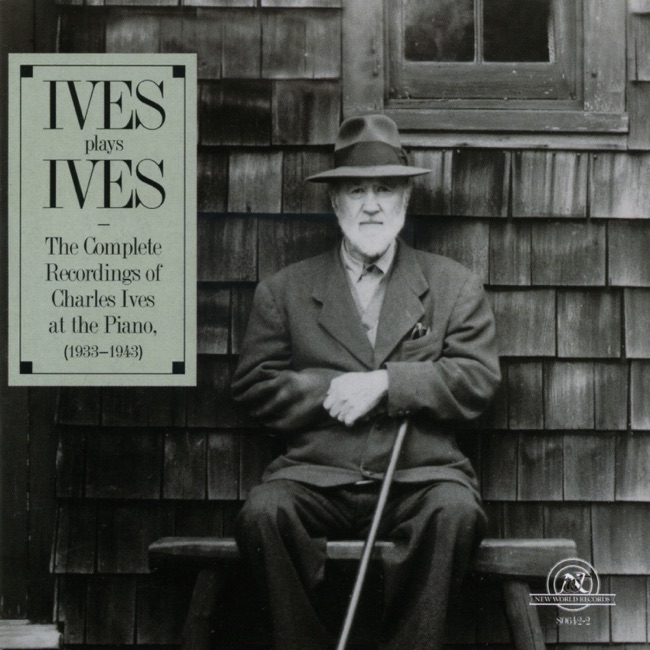
Charles Ives
Study No. 23: Allegro, S. 107
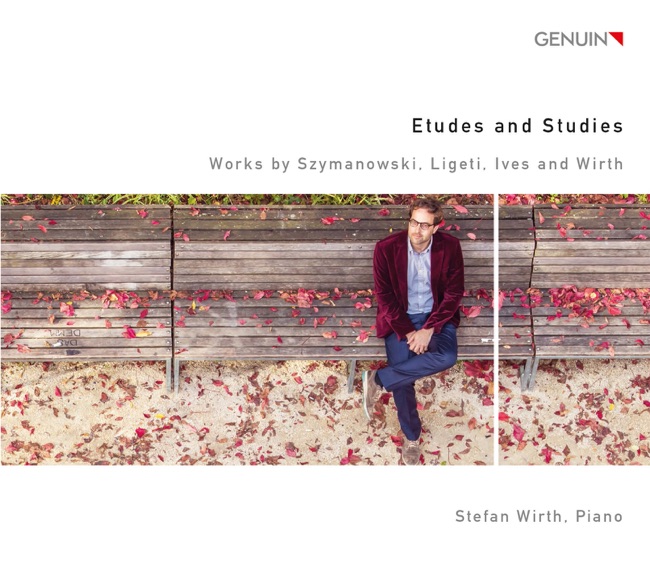
Released Album
Recent Album



Works Info
Composer:Charles IvesGenre:KeyboardStyle:EtudeCompose Date:ca. 1909Average_duration:4:49Charles Ives was an American composer who is known for his experimental and innovative approach to music. One of his most famous works is "Study No. 23: Allegro, S. 107," which was composed in 1915. The piece premiered on May 20, 1924, at the New School for Social Research in New York City. It is a part of a collection of 114 studies that Ives composed between 1894 and 1924. These studies were not intended for public performance but were instead exercises for the composer to explore different musical ideas. "Study No. 23: Allegro, S. 107" is a short piece that is only about a minute long. It is written for solo piano and is characterized by its fast tempo and complex rhythms. The piece is in the key of C major and is marked by sudden shifts in dynamics and tempo. The piece is divided into three sections, each with its own distinct character. The first section is marked by its driving rhythm and syncopated melody. The second section is more lyrical and features a flowing melody that is accompanied by arpeggiated chords. The final section returns to the driving rhythm of the first section, but with added complexity and intensity. One of the most notable characteristics of "Study No. 23: Allegro, S. 107" is its use of dissonance. Ives was known for his use of unconventional harmonies and rhythms, and this piece is no exception. The dissonant chords and unexpected rhythmic shifts create a sense of tension and excitement that is characteristic of Ives' style. Overall, "Study No. 23: Allegro, S. 107" is a short but powerful piece that showcases Ives' innovative approach to music. Its use of complex rhythms, unconventional harmonies, and sudden shifts in dynamics make it a challenging but rewarding piece for pianists to perform.More....