


Francesco Geminiani
Sonata for violin & continuo No. 1 in A major, Op. 1c/1
Released Album
Recent Album
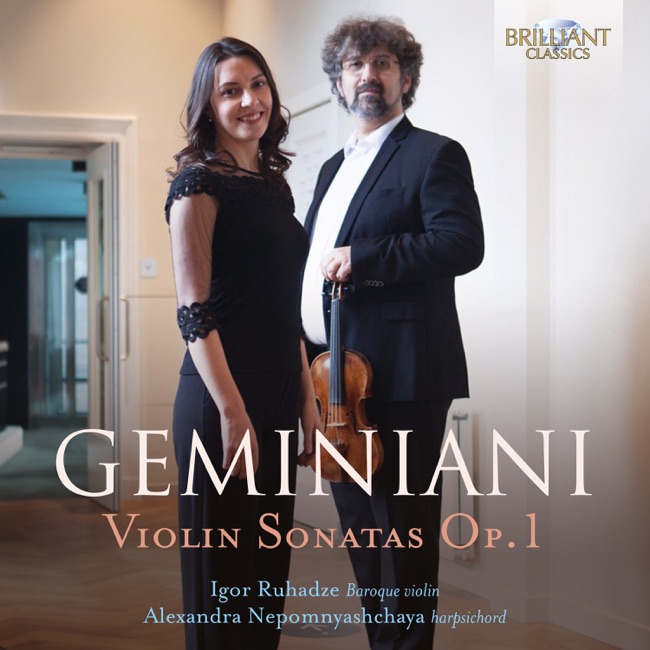
Featured Album
Works Info
Composer:Francesco GeminianiGenre:ChamberStyle:Chamber MusicCompose Date:1719Publication Date:Sep 2009Sep 1719Average_duration:8:19Movement_count:3Movement ....Francesco Geminiani's Sonata for violin & continuo No. 1 in A major, Op. 1c/1, was composed in the early 18th century. The exact date of composition is unknown, but it is believed to have been written around 1716-1717. The sonata was premiered in London, where Geminiani was living at the time, and it quickly became popular among musicians and audiences alike. The sonata consists of four movements: Preludio, Allemanda, Sarabanda, and Giga. The Preludio is a lively and energetic movement, featuring virtuosic passages for the violin and intricate counterpoint between the violin and continuo. The Allemanda is a more stately and elegant dance, with a slower tempo and a more lyrical melody. The Sarabanda is a slow and mournful movement, with a hauntingly beautiful melody that showcases the expressive capabilities of the violin. The Giga is a fast and lively dance, with a playful and joyful character that brings the sonata to a lively and satisfying conclusion. One of the most notable characteristics of Geminiani's Sonata for violin & continuo No. 1 is its use of ornamentation. Geminiani was known for his skill in ornamentation, and he uses a variety of trills, turns, and other embellishments throughout the sonata to add interest and variety to the music. Another characteristic of the sonata is its use of counterpoint. Geminiani was a master of counterpoint, and he weaves intricate and complex lines between the violin and continuo throughout the sonata, creating a rich and layered texture that is both challenging and rewarding for performers and listeners alike. Overall, Geminiani's Sonata for violin & continuo No. 1 in A major, Op. 1c/1, is a masterful work that showcases the composer's skill in both composition and performance. Its lively and energetic movements, expressive melodies, and intricate counterpoint make it a favorite among violinists and audiences alike, and it remains a beloved work in the repertoire of Baroque music to this day.More....
Works Music
Released Music
1

Sonata for violin & continuo No. 1 in A major, Op. 1c/1
I. Adagio - Presto - Adagio - Presto - Adagio - Presto - Adagio
3:4
Featured Music
1
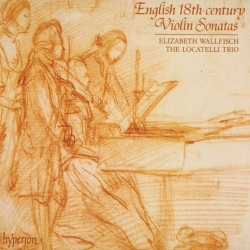
Sonata for violin & continuo No. 1 in A major, Op. 1c/1
Adagio - Presto - Adagio - Presto - Adagio
2:30
2
2:28
3
3:21