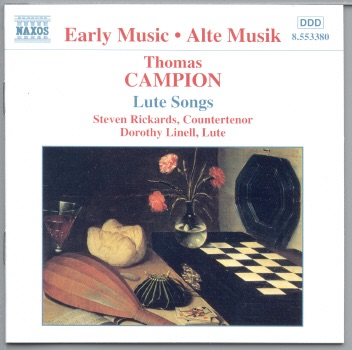
Thomas Campion
Most sweet and pleasing are thy wayes
Works Info
Composer:Thomas CampionGenre:VocalStyle:Vocal MusicAverage_duration:2:28Thomas Campion was a renowned English composer, poet, and physician who lived during the Renaissance period. He is best known for his contributions to the genre of lute songs, which were popular during the late 16th and early 17th centuries. One of his most famous compositions is "Most sweet and pleasing are thy wayes," which was first published in 1613. The song is a part of Campion's collection of lute songs titled "A Booke of Ayres," which was published in two volumes in 1601 and 1613. "Most sweet and pleasing are thy wayes" is the second song in the second volume of the collection. The song is written in the key of G major and is composed for a solo voice accompanied by a lute. The song is divided into three movements, each with its own distinct character. The first movement is marked "Allegro," and it is characterized by its lively and upbeat tempo. The second movement is marked "Adagio," and it is slower and more contemplative in nature. The final movement is marked "Allegro," and it returns to the lively and upbeat tempo of the first movement. The lyrics of the song are a love poem that expresses the speaker's admiration for his beloved. The first stanza reads: Most sweet and pleasing are thy wayes, O faire, O pure, O matchlesse creature; If ever thou hadst rivall's praise, Or any eye to thy disfeature, Let them behold thee now, and see Their error and their enuy in thee. The poem goes on to describe the beauty and grace of the beloved, and it ends with a declaration of the speaker's love and devotion. Overall, "Most sweet and pleasing are thy wayes" is a beautiful example of Campion's skill as a composer and poet. The song's lively and upbeat tempo, combined with its beautiful lyrics, make it a timeless classic that is still enjoyed by music lovers today.More....
Works Music
Released Music