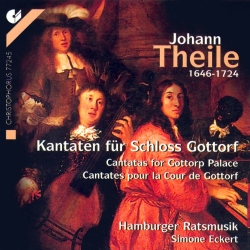
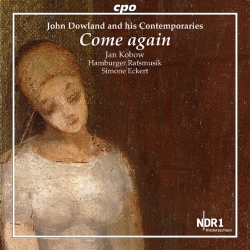
Johann Schop
Galliard
Released Album
Recent Album
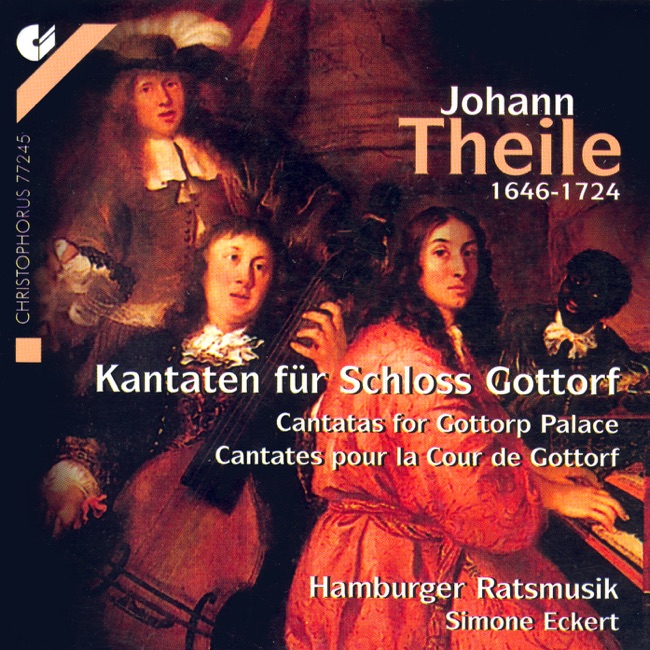
Featured Album
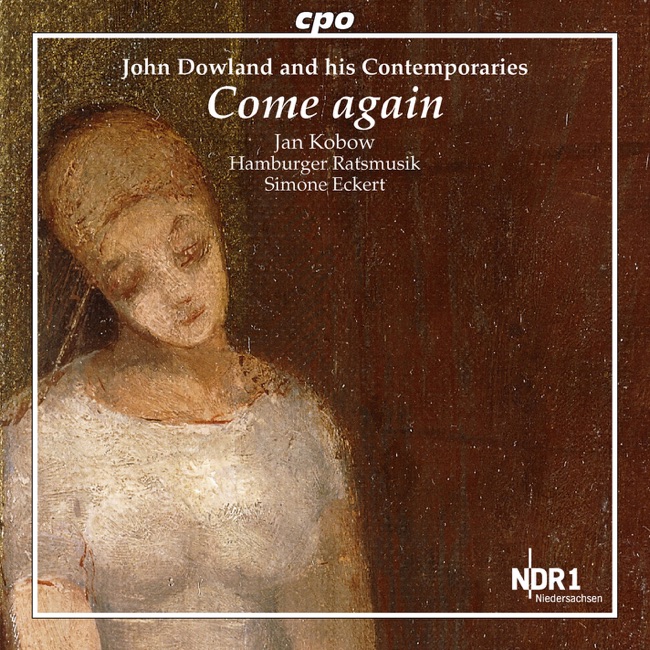
Works Info
Composer:Johann SchopGenre:ChamberStyle:Chamber MusicAverage_duration:1:43The Galliard is a lively and energetic dance form that originated in the Renaissance period. It was a popular dance form in Europe during the 16th and 17th centuries. Johann Schop, a German composer, is credited with composing one of the most famous Galliards of the era. Johann Schop was born in Hamburg, Germany, in 1590. He was a renowned composer and violinist of the Baroque period. Schop composed several instrumental works, including the Galliard, which was first performed in the early 17th century. The Galliard is a dance form that is characterized by its fast and lively tempo. It is typically performed in triple meter and is often paired with the Pavane, a slower dance form. The Galliard is known for its intricate footwork and acrobatic movements, which were often performed by professional dancers. Schop's Galliard is a four-movement piece that is written for a small ensemble of instruments, including the violin, viola, and cello. The first movement is a lively and energetic introduction that sets the tone for the rest of the piece. The second movement is a slower and more melodic section that provides a contrast to the first movement. The third movement is a fast and intricate section that showcases the technical abilities of the performers. The final movement is a lively and energetic conclusion that brings the piece to a close. Schop's Galliard is a prime example of the Baroque period's emphasis on virtuosity and technical skill. The piece requires a high level of technical proficiency from the performers, particularly in the third movement, which features complex and intricate passages. The Galliard is also notable for its use of counterpoint, a technique that was popular in the Baroque period and involves the interweaving of multiple melodic lines. In conclusion, Johann Schop's Galliard is a lively and energetic dance form that showcases the technical abilities of the performers. It is a prime example of the Baroque period's emphasis on virtuosity and technical skill and is still performed and enjoyed by musicians and audiences today.More....
Works Music