


Giovanni Pierluigi da Palestrina
Missa Sine nomine (unspecified of 4)
Released Album
Recent Album
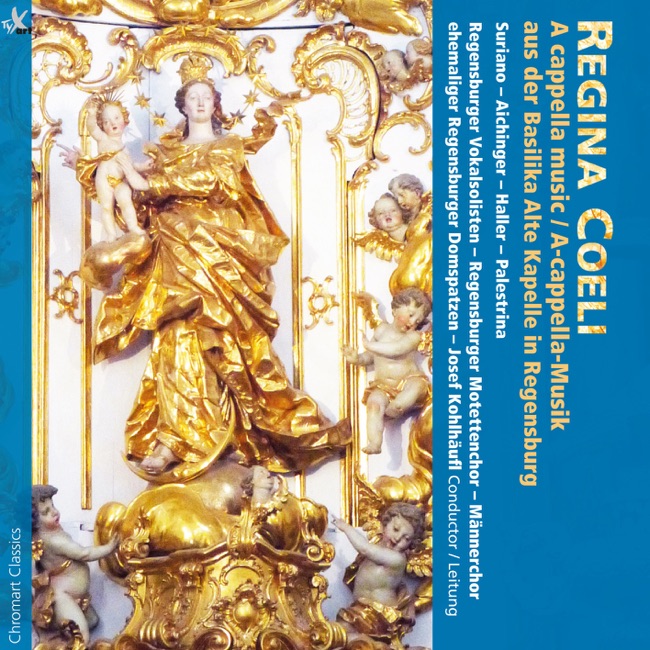
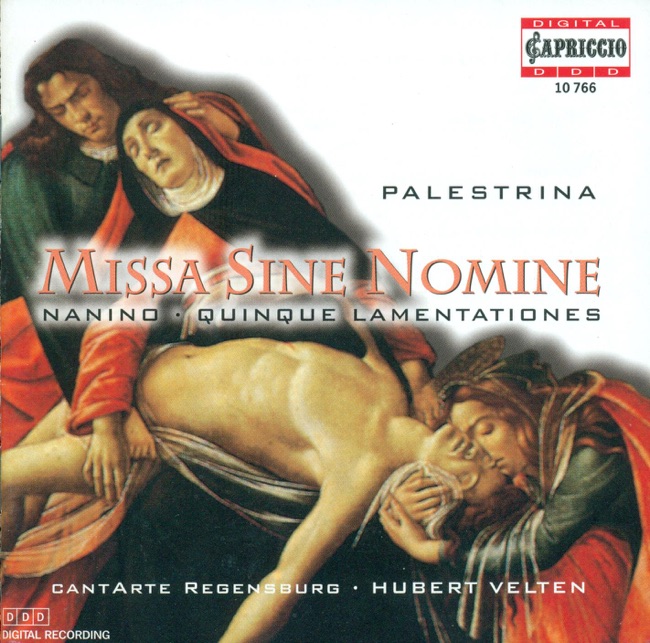
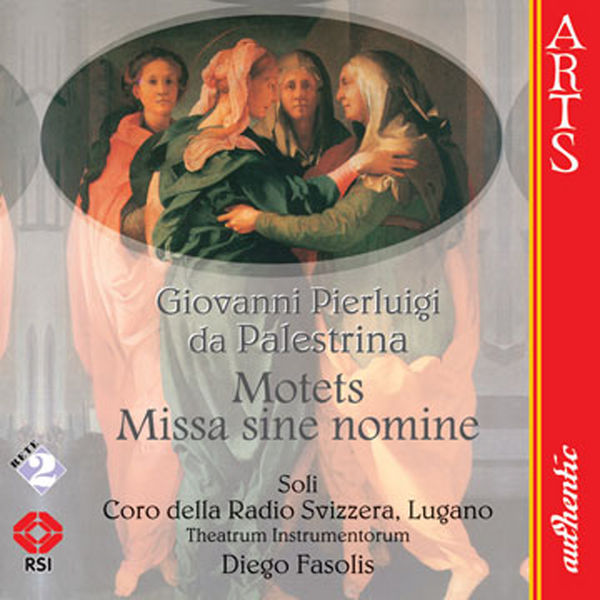
Featured Album
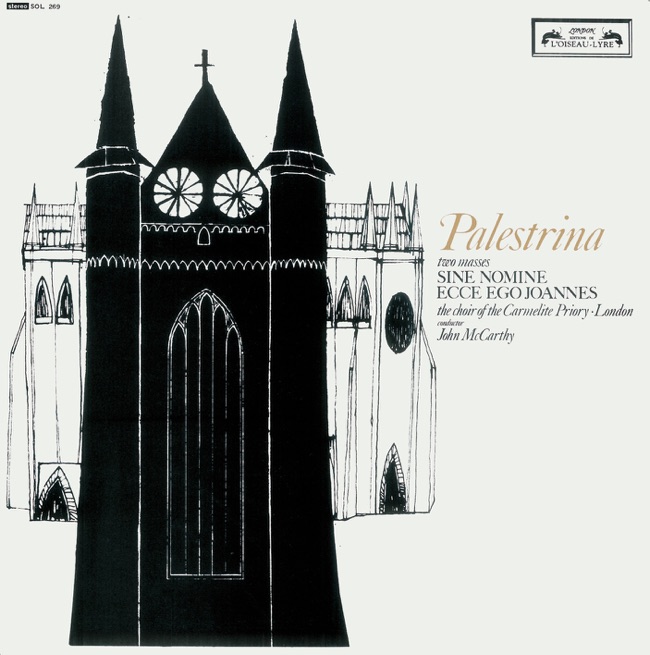
Works Info
Composer:Giovanni Pierluigi da PalestrinaGenre:ChoralStyle:MassAverage_duration:21:34Giovanni Pierluigi da Palestrina was a prominent composer of the Renaissance period, known for his sacred music compositions. One of his most famous works is the 'Missa Sine nomine' or 'Mass without a name', which is a four-part mass setting. The exact date of composition of the 'Missa Sine nomine' is unknown, but it is believed to have been composed in the late 16th century. The mass was first performed in Rome, where Palestrina worked as a composer and musician for the Papal Chapel. The 'Missa Sine nomine' consists of four movements: Kyrie, Gloria, Credo, and Sanctus-Benedictus. Each movement is written for four voices, with the exception of the Sanctus-Benedictus, which is written for six voices. The Kyrie is a solemn and introspective movement, with a slow tempo and a focus on the text. The Gloria is a joyful and exuberant movement, with a fast tempo and intricate vocal lines. The Credo is a longer movement, with a more complex structure and a mix of joyful and solemn sections. The Sanctus-Benedictus is a grand and majestic movement, with a powerful climax and a sense of awe and reverence. The 'Missa Sine nomine' is characterized by Palestrina's signature style, which is characterized by smooth and flowing vocal lines, clear and transparent harmonies, and a focus on the text and the meaning of the words. The mass is also notable for its use of polyphony, which is the technique of combining multiple independent vocal lines to create a rich and complex texture. Overall, the 'Missa Sine nomine' is a masterpiece of Renaissance sacred music, showcasing Palestrina's skill as a composer and his deep understanding of the liturgical texts and traditions of the Catholic Church.More....
Works Music
Released Music
Featured Music
1
2:6
2
4:54
3
6:39
4
2:11
5
2:42
6
5:18