Gregorian Chant
De profundis clamavi, offertory in mode 2, GR 388
Released Album
Recent Album

Works Info
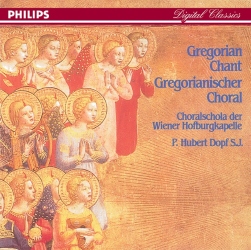
Composer:Gregorian ChantGenre:ChoralStyle:ChantAverage_duration:2:12De profundis clamavi, offertory in mode 2, GR 388 is a Gregorian chant that dates back to the medieval period. It is believed to have been composed in the 9th century and is one of the most famous chants in the Gregorian repertoire. The chant is based on Psalm 130, which is also known as the De Profundis. The premiere of De profundis clamavi is not known, as it was likely performed in monasteries and churches throughout Europe during the medieval period. However, it remains a popular piece of music to this day and is often performed in churches and concert halls around the world. The chant is divided into several movements, each with its own unique characteristics. The first movement begins with a solo voice singing the opening line of the Psalm, "De profundis clamavi ad te, Domine" (Out of the depths I have cried to you, O Lord). This is followed by a response from the choir, which repeats the same line. The second movement features a solo voice singing the next line of the Psalm, "Domine, exaudi vocem meam" (Lord, hear my voice). This is followed by a response from the choir, which repeats the same line. The third movement features a solo voice singing the next line of the Psalm, "Fiant aures tuae intendentes in vocem deprecationis meae" (Let your ears be attentive to the voice of my supplication). This is followed by a response from the choir, which repeats the same line. The fourth movement features a solo voice singing the next line of the Psalm, "Si iniquitates observaveris, Domine, Domine, quis sustinebit?" (If you, O Lord, should mark iniquities, Lord, who could stand?). This is followed by a response from the choir, which repeats the same line. The final movement features a solo voice singing the last line of the Psalm, "Quia apud te propitiatio est; et propter legem tuam sustinui te, Domine" (For with you there is forgiveness; and because of your law, I have waited for you, O Lord). This is followed by a response from the choir, which repeats the same line. The characteristics of De profundis clamavi include its haunting melody, which is sung in a slow and mournful manner. The chant is also characterized by its use of plainchant, which is a form of monophonic, unaccompanied singing that is often used in religious music. The chant is also notable for its use of Latin, which was the language of the Catholic Church during the medieval period. Overall, De profundis clamavi is a beautiful and powerful piece of music that has stood the test of time. Its haunting melody and use of plainchant continue to captivate audiences around the world, making it a beloved piece of music in the Gregorian repertoire.More....
Works Music
Released Music
5
3:31

9
1:56