Robert de Visée
La Venitienne de Mr. Forqueroy
Released Album
Recent Album
Works Info
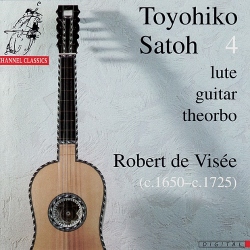
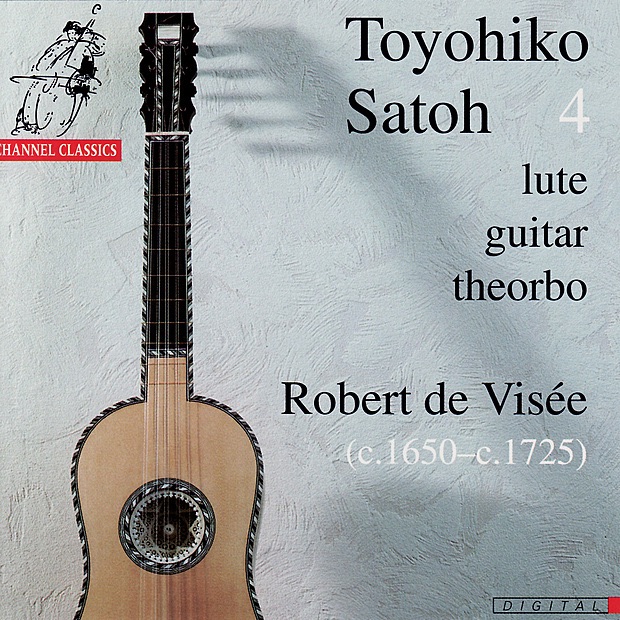
Composer:Robert de ViséeGenre:ChamberStyle:Chamber MusicAverage_duration:1:34"La Venitienne de Mr. Forqueroy" is a Baroque composition for solo theorbo, composed by Robert de Visée. The exact date of composition is unknown, but it is believed to have been written in the late 17th century. The piece was first performed in the court of Louis XIV, and it quickly became popular among the French aristocracy. The composition consists of four movements, each with its own distinct character and mood. The first movement is marked "Gracieusement" and is characterized by its gentle, flowing melody. The second movement, marked "Gaiement," is more lively and upbeat, with a playful, dance-like quality. The third movement, marked "Tendrement," is slower and more introspective, with a melancholy, contemplative mood. The final movement, marked "Vivement," is fast and energetic, with a virtuosic display of fingerwork and technical skill. One of the most notable characteristics of "La Venitienne de Mr. Forqueroy" is its use of ornamentation. De Visée was known for his skill in ornamentation, and this piece is no exception. The theorbo part is filled with trills, mordents, and other embellishments, which add to the overall beauty and complexity of the composition. Another characteristic of the piece is its use of harmony. De Visée was known for his innovative use of harmony, and "La Venitienne de Mr. Forqueroy" is no exception. The piece features rich, complex harmonies that add depth and texture to the music. Overall, "La Venitienne de Mr. Forqueroy" is a beautiful and complex piece of Baroque music. Its four movements showcase de Visée's skill as a composer and his mastery of the theorbo. The piece remains popular among classical guitarists and other musicians today, and it is considered a masterpiece of the Baroque era.More....