Friedrich Cerha
String Quartet No. 3
Released Album
Recent Album

Works Info
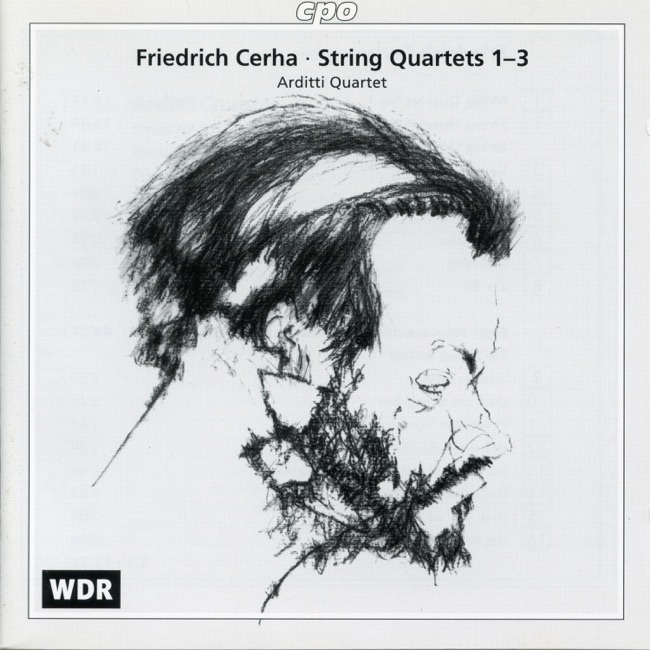
Composer:Friedrich CerhaGenre:ChamberStyle:QuartetAverage_duration:18:34Friedrich Cerha's String Quartet No. 3 is a modernist work that was composed in 1997. The piece was premiered on October 17, 1998, by the Arditti Quartet in Vienna, Austria. The quartet is divided into four movements, each with its own unique characteristics. The first movement, marked "Sehr lebhaft" (very lively), is characterized by its frenetic energy and complex rhythms. The movement is built around a series of short, jagged motifs that are passed between the instruments. The music is often dissonant and angular, with sudden shifts in dynamics and tempo. The second movement, marked "Langsam, sehr ausdrucksvoll" (slow, very expressive), is a stark contrast to the first. The music is more lyrical and introspective, with long, sustained lines and a more traditional harmonic language. The movement is built around a series of variations on a simple, melancholic theme, which is passed between the instruments. The third movement, marked "Sehr schnell und wild" (very fast and wild), is a return to the frenetic energy of the first movement. The music is characterized by its driving rhythms and virtuosic passages, with the instruments often playing in unison or in close harmony. The movement is built around a series of short, explosive motifs that are developed and transformed throughout. The final movement, marked "Sehr ruhig und zart" (very calm and tender), is a gentle, introspective coda to the quartet. The music is characterized by its delicate textures and soft, muted colors. The movement is built around a series of simple, diatonic melodies that are passed between the instruments, gradually building in intensity and complexity before fading away into silence. Overall, Cerha's String Quartet No. 3 is a challenging and complex work that showcases the composer's mastery of modernist techniques. The quartet is characterized by its angular melodies, complex rhythms, and dissonant harmonies, as well as its use of extended techniques such as glissandi, harmonics, and pizzicato. Despite its complexity, however, the quartet is also marked by moments of great beauty and lyricism, particularly in the second and fourth movements.More....
Works Music
Released Music