Georg Philipp Telemann
Missa, TWV 9:14
Released Album
Recent Album
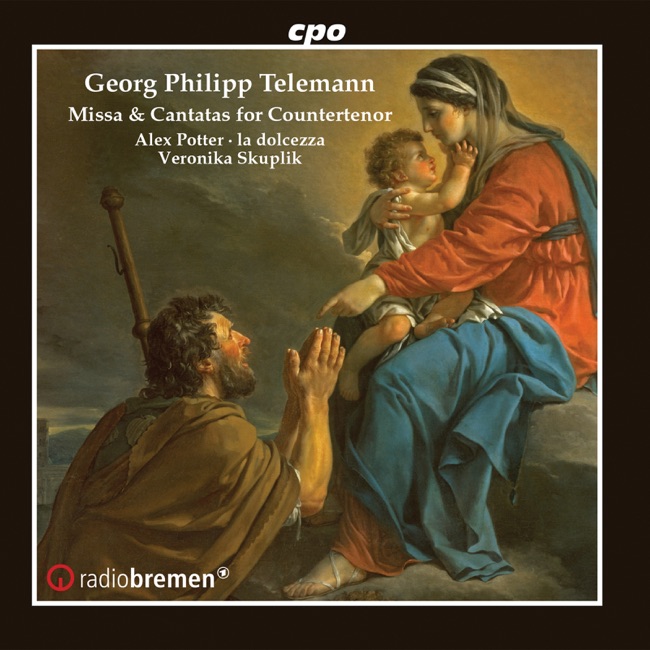

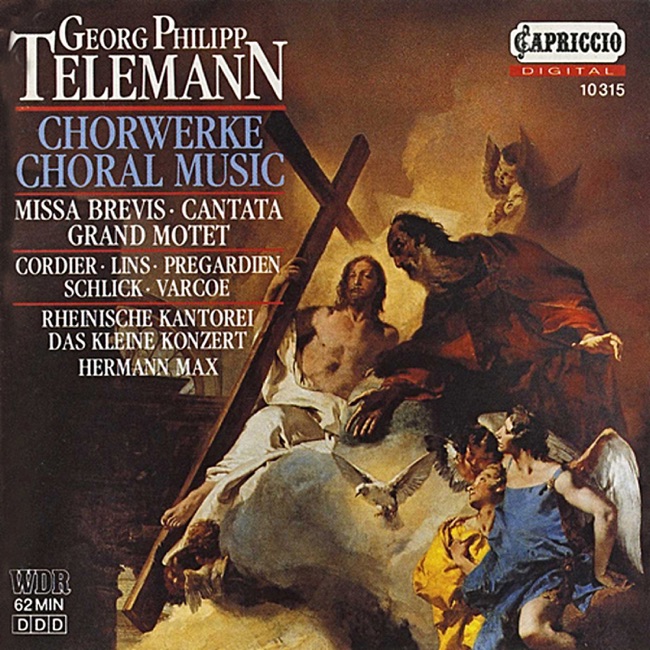
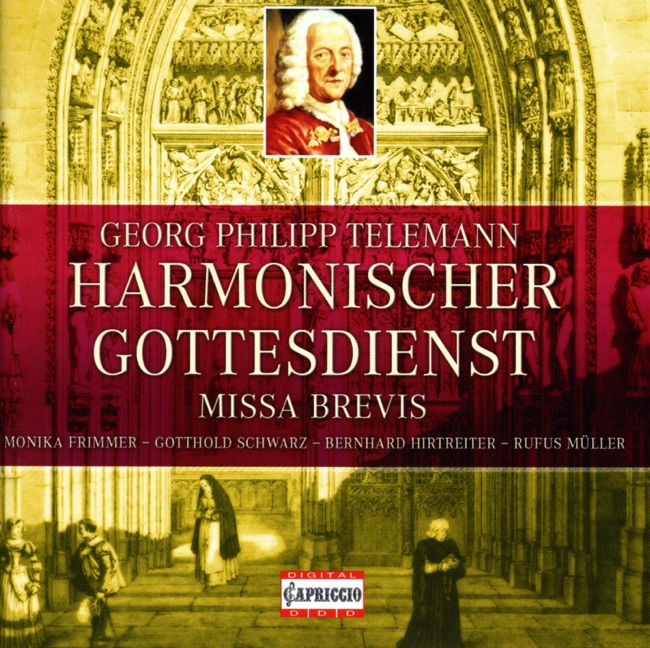
Works Info
Composer:Georg Philipp TelemannGenre:VocalStyle:MassCompose Date:1705Average_duration:14:54Georg Philipp Telemann's 'Missa, TWV 9:14' is a sacred choral work composed in the Baroque era. It was written in 1738 and premiered in Hamburg, Germany. The work is divided into six movements, each with its own distinct characteristics. The first movement, Kyrie, is a solemn and introspective piece that sets the tone for the entire work. The choir sings in unison, with occasional harmonies, and the music is characterized by its slow tempo and use of suspensions. The second movement, Gloria, is a joyful and celebratory piece that features a lively tempo and intricate vocal parts. The choir sings in four-part harmony, with each section taking turns singing the main melody. The music is characterized by its use of syncopation and ornamentation. The third movement, Credo, is a more contemplative piece that features a slower tempo and more complex vocal parts. The choir sings in six-part harmony, with each section contributing to the overall texture of the music. The music is characterized by its use of dissonance and chromaticism. The fourth movement, Sanctus, is a bright and uplifting piece that features a fast tempo and intricate vocal parts. The choir sings in four-part harmony, with each section contributing to the overall texture of the music. The music is characterized by its use of repetition and imitation. The fifth movement, Agnus Dei, is a somber and introspective piece that features a slow tempo and simple vocal parts. The choir sings in unison, with occasional harmonies, and the music is characterized by its use of suspensions and dissonance. The final movement, Dona Nobis Pacem, is a peaceful and reflective piece that features a slow tempo and simple vocal parts. The choir sings in unison, with occasional harmonies, and the music is characterized by its use of repetition and gradual crescendos. Overall, Telemann's 'Missa, TWV 9:14' is a masterful example of Baroque choral music. The work features intricate vocal parts, complex harmonies, and a wide range of emotions, from solemn introspection to joyful celebration. It remains a beloved piece of sacred music to this day.More....