


Franz Liszt
Hunnenschlacht, symphonic poem for orchestra, S. 105
Released Album
Recent Album

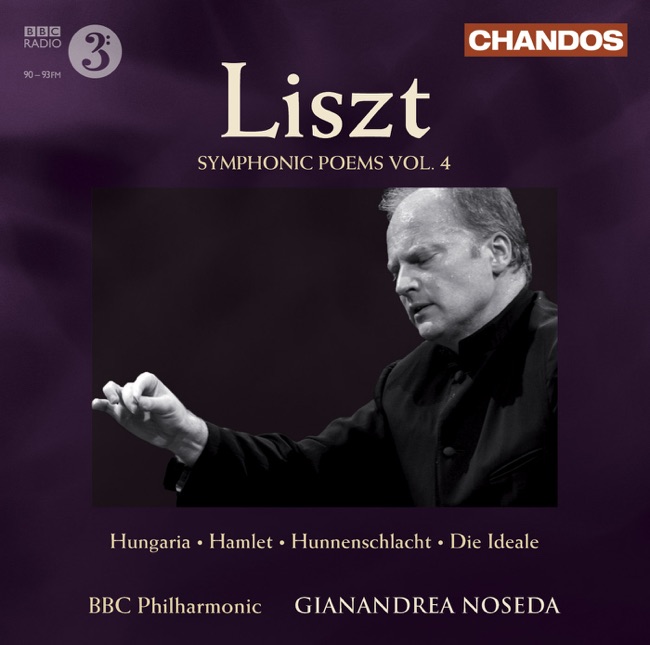

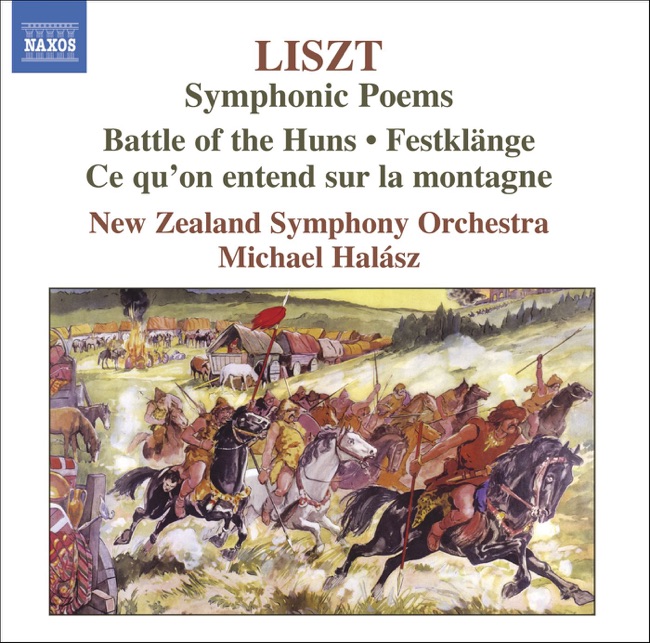
Featured Album
Works Info
Composer:Franz LisztGenre:OrchestralStyle:Tone PoemCompose Date:1856 - 1857Publication Date:1861First Performance:Dec 29, 1857Average_duration:14:43Franz Liszt's "Hunnenschlacht" is a symphonic poem for orchestra, S. 105, composed in 1857. The piece was inspired by the Battle of the Catalaunian Plains, also known as the Battle of Chalons, which took place in 451 AD between the Huns and the Romans. The premiere of the piece was on February 8, 1858, in Weimar, Germany, conducted by Liszt himself. The piece is divided into three movements, each depicting a different aspect of the battle. The first movement, "The Battle Begins," opens with a dramatic fanfare that sets the tone for the rest of the piece. The music is fast-paced and intense, with the orchestra representing the clash of the two armies. Liszt uses a variety of musical techniques to create a sense of chaos and confusion, including sudden shifts in dynamics and tempo. The second movement, "The Death of Attila," is a slower, more mournful piece that depicts the death of the Hun leader. The music is somber and reflective, with the orchestra using long, sustained notes to create a sense of sadness and loss. Liszt also incorporates a solo violin, which represents Attila's soul ascending to heaven. The final movement, "The Victory of the Romans," is a triumphant piece that celebrates the Roman victory over the Huns. The music is fast-paced and energetic, with the orchestra using a variety of instruments to create a sense of excitement and triumph. Liszt also incorporates a choir, which sings a Latin hymn praising the Roman victory. Overall, "Hunnenschlacht" is a powerful and dramatic piece that showcases Liszt's skill as a composer. The piece is notable for its use of musical techniques to create a sense of chaos and confusion, as well as its incorporation of a choir and solo violin. The piece remains a popular choice for orchestras today and is considered one of Liszt's most significant works.More....
Works Music
Released Music
1
15:12
2
16:24
3
Battle of the Huns, symphonic poem for orchestra, p. 105
Hunnenschlacht (Symphonic Poem No. 11)
14:11
4
14:39

6
14:32
7
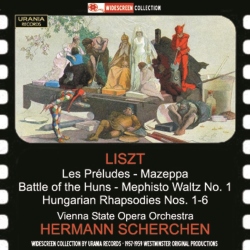
Battle of the Huns, symphonic poem for orchestra, p. 105
Battle of the Huns, Symphonic Poem No. 11
13:1
8
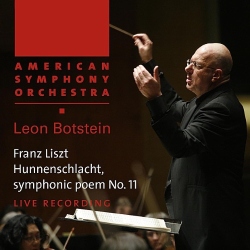
15:25
9
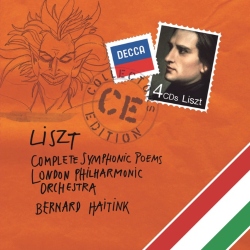
14:58
10
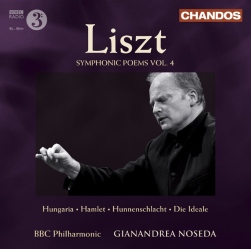
Battle of the Huns, symphonic poem for orchestra, p. 105
I. Tempestoso: Allegro Non Troppo - Piu Mosso: Allegro Energico Assai -
2:20
Featured Music
Main Perform Artists