Claude-Bénigne Balbastre
Au jô deu de pubelle
Released Album
Recent Album
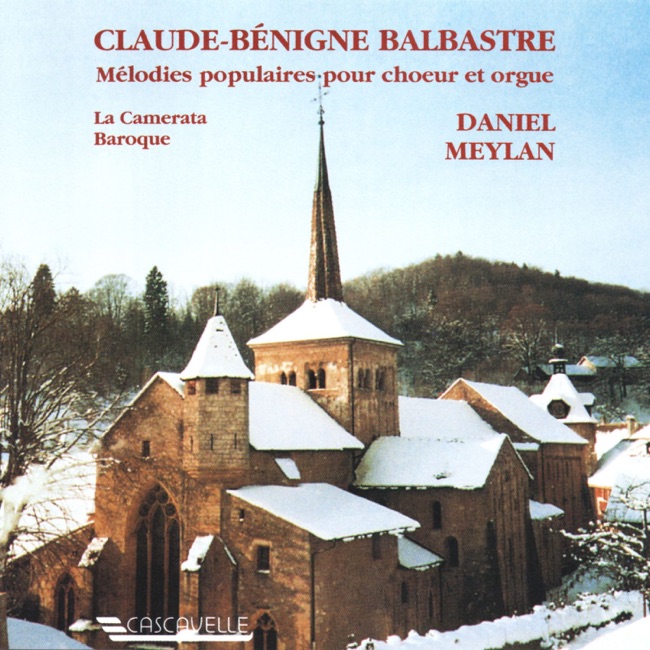
Works Info
Composer:Claude-Bénigne BalbastreGenre:MiscellaneousStyle:MiscellaneousAverage_duration:2:53Claude-Bénigne Balbastre was a French composer, harpsichordist, and organist who lived from 1724 to 1799. He was a prominent figure in the French musical scene during the 18th century, and his works were widely performed and admired. One of his most famous compositions is "Au jô deu de pubelle," a suite of pieces for harpsichord. The composition of "Au jô deu de pubelle" is not precisely known, but it is believed to have been written in the 1760s or 1770s. The suite consists of six movements, each with its own unique character and style. The movements are as follows: 1. La Lugeac: This movement is a lively and energetic dance in 6/8 time. It features a catchy melody and a driving rhythm that propels the music forward. 2. La D'Espagnac: This movement is a slow and stately dance in 3/4 time. It has a more somber and serious character than the previous movement, with a mournful melody and a more restrained rhythm. 3. La Courteille: This movement is a fast and playful dance in 2/4 time. It features a lively melody and a syncopated rhythm that gives it a bouncy, lighthearted feel. 4. La Castelmore: This movement is a slow and graceful dance in 3/4 time. It has a more elegant and refined character than the previous movements, with a flowing melody and a gentle, lilting rhythm. 5. La Ségur: This movement is a fast and lively dance in 6/8 time. It features a lively melody and a driving rhythm that gives it a sense of urgency and excitement. 6. La Lapopie: This movement is a slow and mournful dance in 3/4 time. It has a more melancholy and introspective character than the previous movements, with a haunting melody and a slow, mournful rhythm. Overall, "Au jô deu de pubelle" is a charming and delightful suite of pieces that showcases Balbastre's skill as a composer and his mastery of the harpsichord. The movements are varied and engaging, with a range of moods and styles that keep the listener engaged throughout. It is a testament to Balbastre's enduring popularity that this piece is still performed and enjoyed today, more than two centuries after it was written.More....
Works Music
Released Music